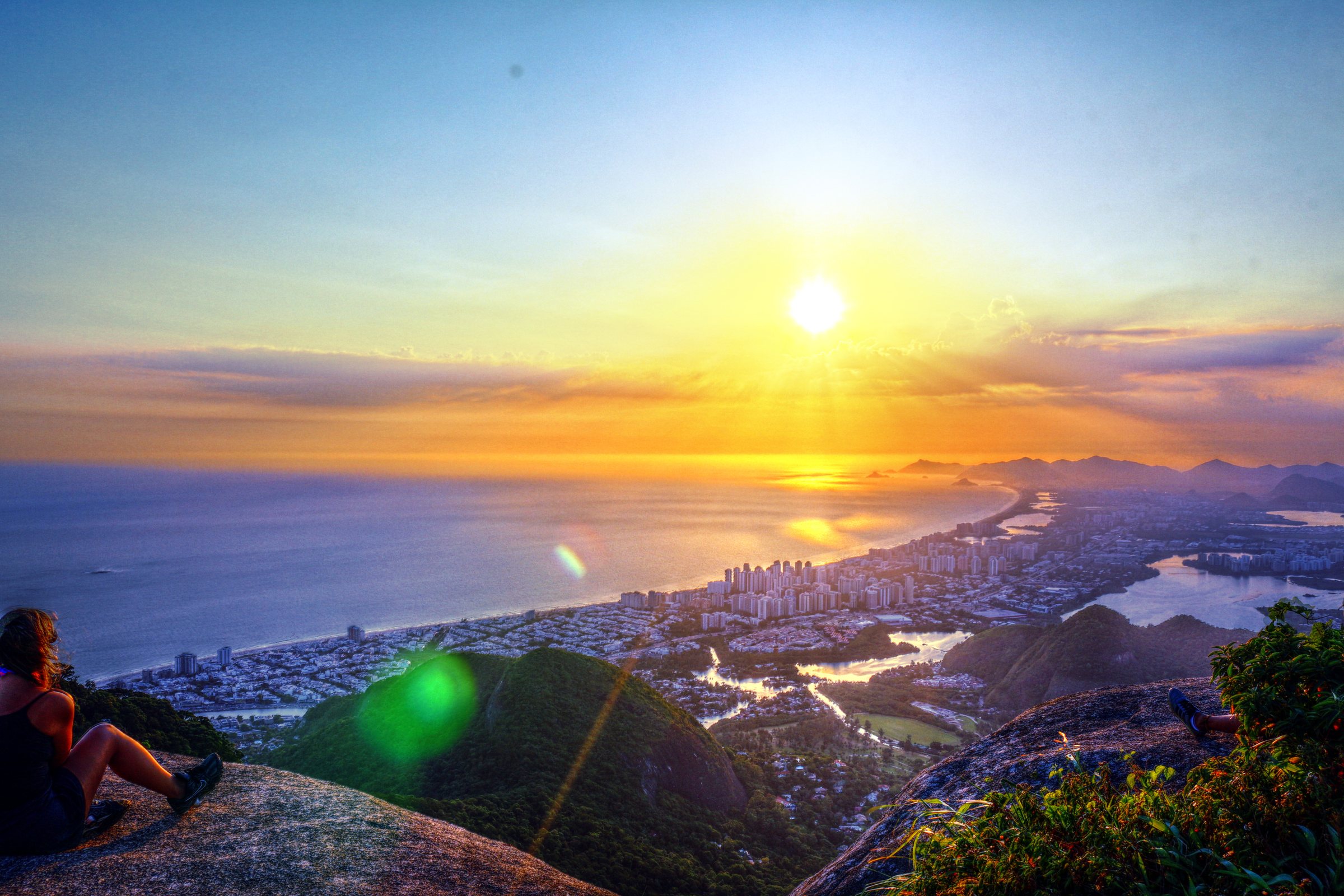
Joá, Rio de Janeiro.
The smallest neighborhood in Rio, and the one with the highest income per resident in the city — a mile and a half of Atlantic Forest and ocean cliff wedged between São Conrado and Barra da Tijuca. This is a working reference to the place the Brazilian press calls the “Beverly Hills carioca”: who lives here, how it was built, the hidden beach below it, and what it costs to hold an address on the rock.
Joá is easy to miss and hard to enter. Drive the coast road west from São Conrado toward Barra da Tijuca and the city thins to a single wooded ridge falling into the sea — no towers, no shopfronts, no bus line running through. What looks from the road like empty forest is the most concentrated wealth in Rio de Janeiro, turned inward and hidden behind gatehouses and trees.
Officially, Joá is a bairro of the Barra da Tijuca region, delimited by city decree in 1981. In practice it is a mountain — the Morro da Joatinga — with houses built into its flanks between the Atlantic and the rock, under the shadow of the Pedra da Gávea. Fewer than a thousand people live here. It has the highest per-capita income of any neighborhood in the city, and, for large houses, the highest average sale price in Rio. It is exclusively residential: no commerce, no high-rises, no through-traffic. You come to Joá to live, or you come to see the one beach the rest of the city has learned to find.
This guide is our attempt to document it honestly — the neighborhood, not just the listing. Everything here is sourced. What we could not verify, we left out.
The facts, checked.
The complete guide to Joá.
Two dozen deep, individually-sourced references — the neighborhood, and the architects who built it. Not just the listing.
Into Joá.
Deep, individually-sourced references to the place — the beach, the road, the mountain, the market, and the life on the rock.
 The Residents
Who Lives in Joá
The Brazilian press calls it the Beverly Hills carioca. Here is who is actually on the hill — and why they chose the one address the cameras can't reach.
Photo: Donatas Dabravolskas, CC BY-SA 4.0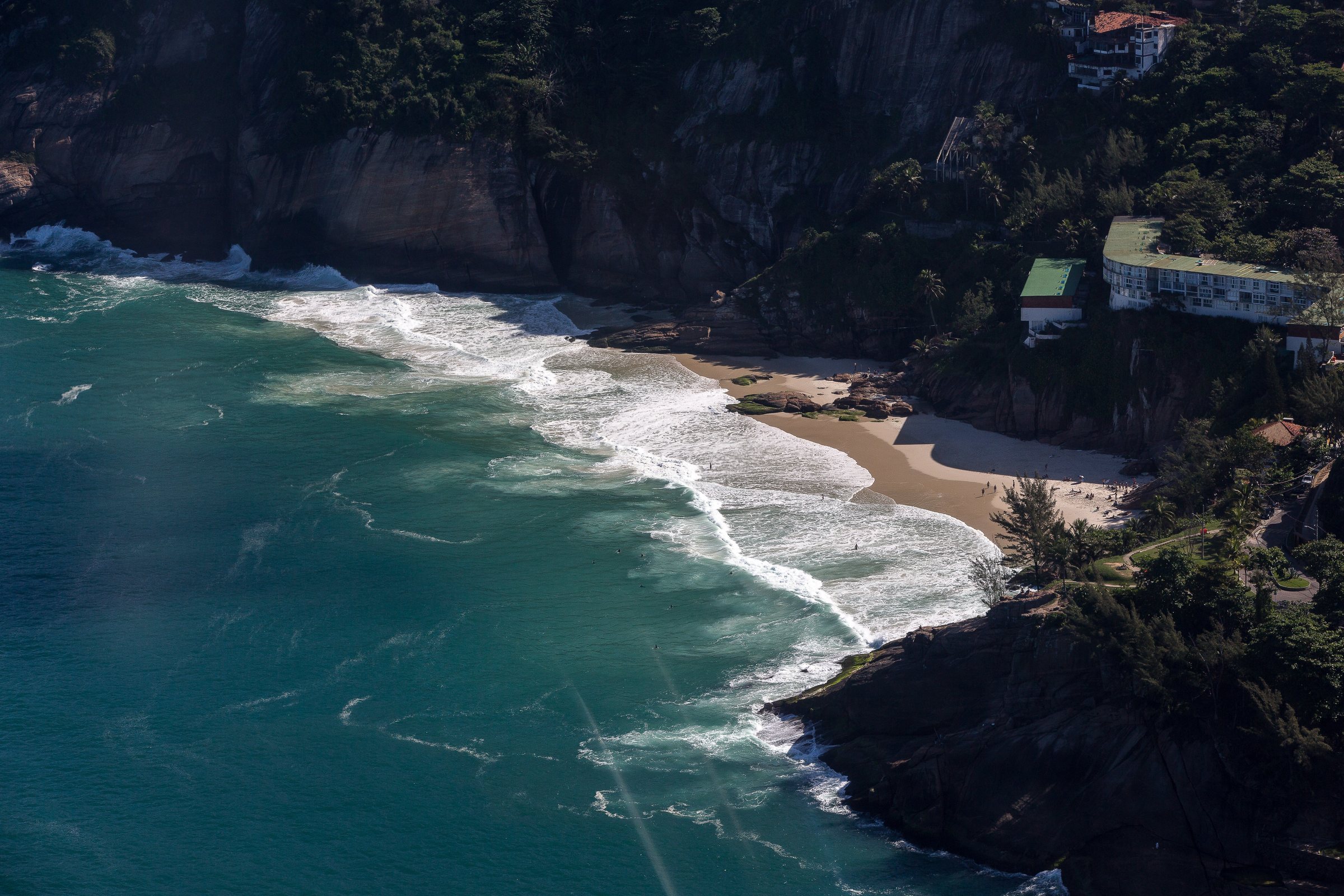 The Beach
Praia da Joatinga
Rio's most hidden beach sits below Joá — reached on foot, through a gate, and only at low tide. A complete guide to finding it, and getting back.
Photo: Diego Baravelli, CC BY-SA 4.0 History & Geography
The Making of Joá
A mile-and-a-half of cliff that the city almost forgot — until a road, a tunnel and a generation of architects turned it into Rio's quietest fortune.
 The Market
Buying in Joá
The priciest neighborhood in Rio for a house — why the numbers run the way they do, and what a few hundred metres of cliff actually costs.
Photo: Jfmelo, CC BY-SA 4.0
The Comparison
Joá vs Leblon and Ipanema
Rio's three richest addresses, measured honestly — the beach glamour of Leblon and Ipanema against the hidden-house fortune of Joá.
Photo: Jfmelo, CC BY-SA 4.0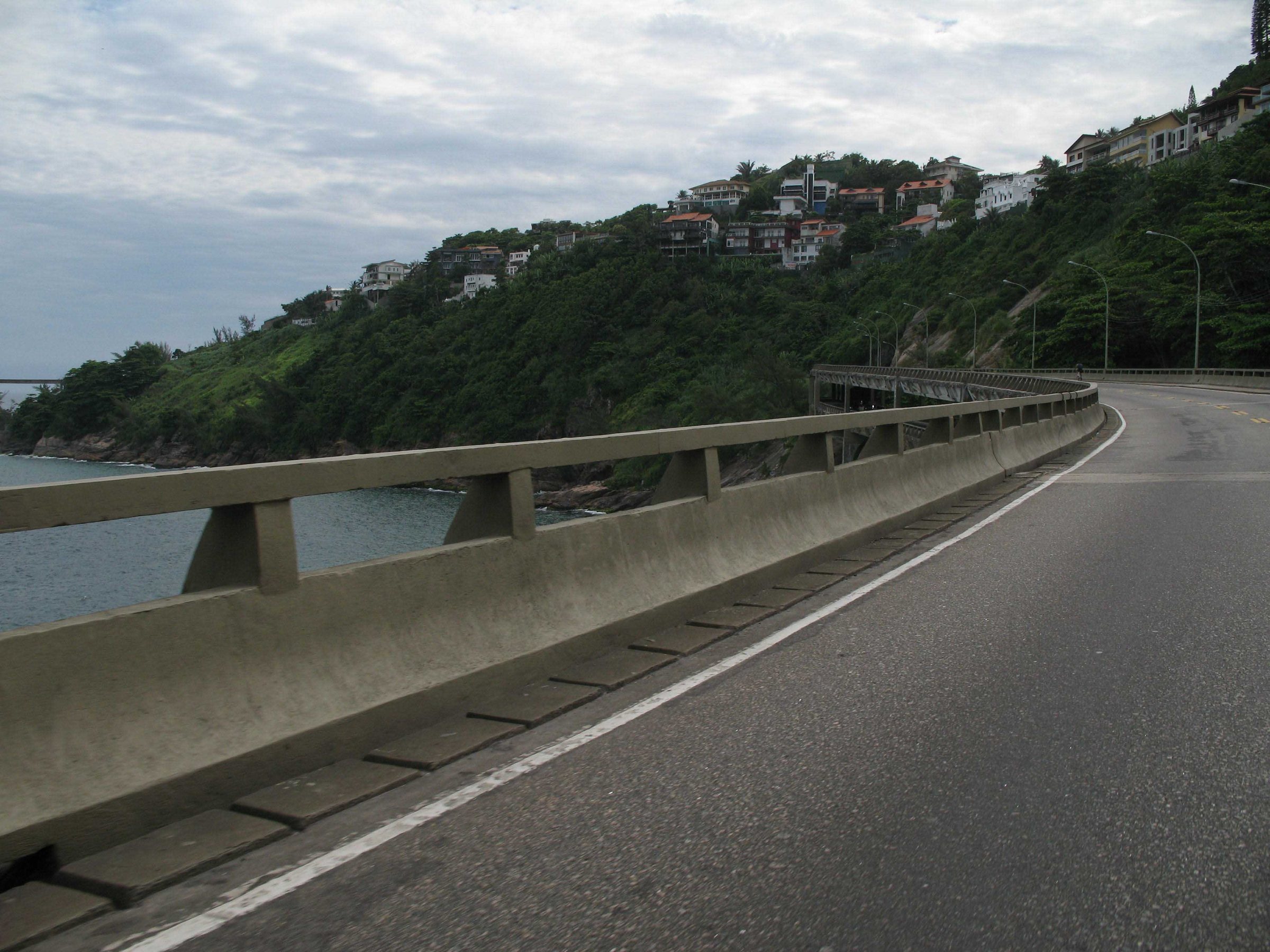 The Road
The Estrada do Joá
One address road threads the whole neighborhood along the cliff. Its gatehouses, its condominiums and the elevated highway that made it possible.
Photo: Vinicius Moreira Rodrigues, CC BY-SA 3.0
The Landmark
Pedra da Gávea: The Mountain Over Joá
Eight hundred and forty-two metres of granite above the houses — the mountain that frames every view in Joá, and the myths carved into its face.
Photo: Donatas Dabravolskas, CC BY-SA 4.0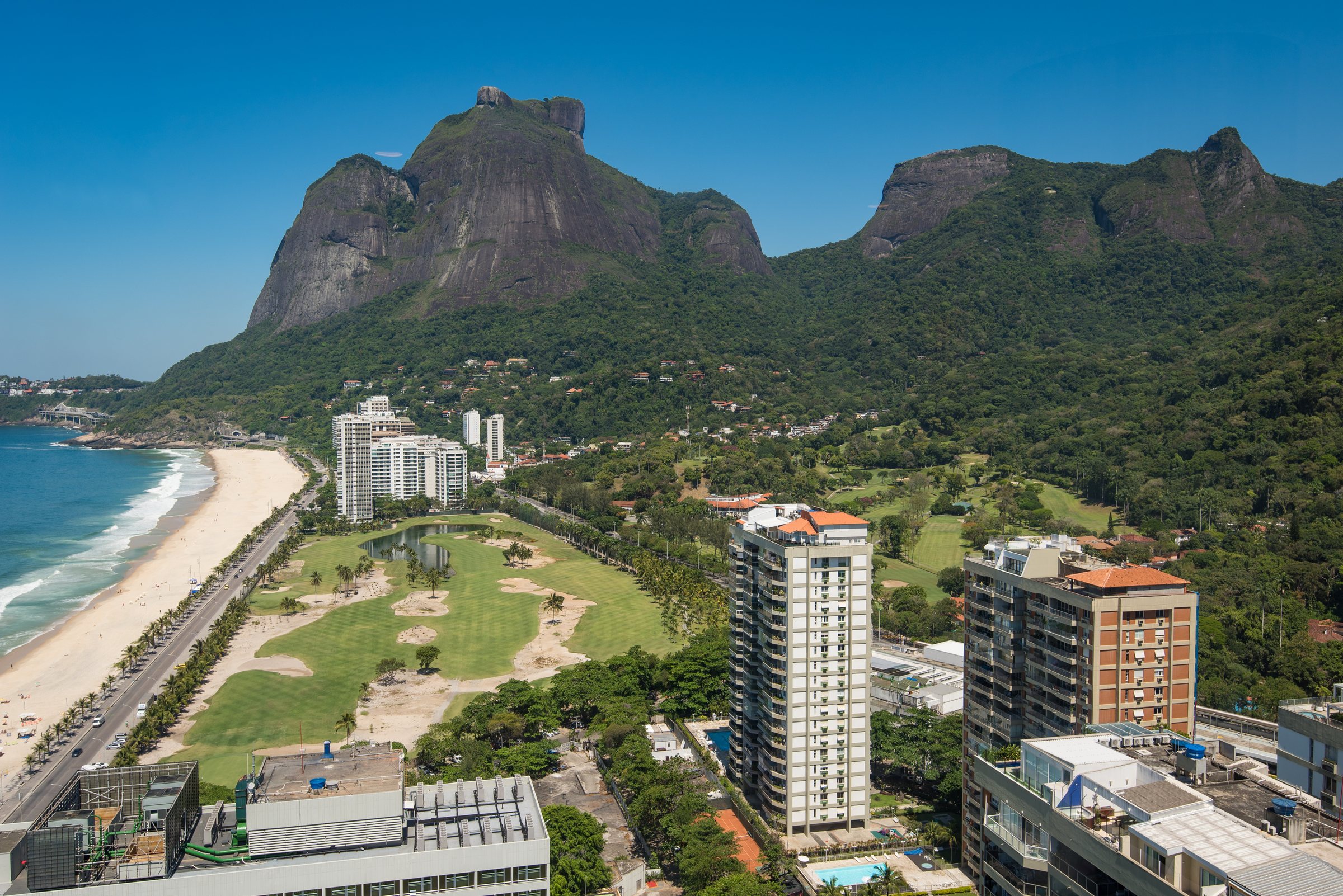 The Forest
The Atlantic Forest of Joá
Joá is built inside one of the largest urban rainforests on earth. What that protected green wall means for the houses, the light and the wildlife.
Photo: Donatas Dabravolskas, CC BY-SA 4.0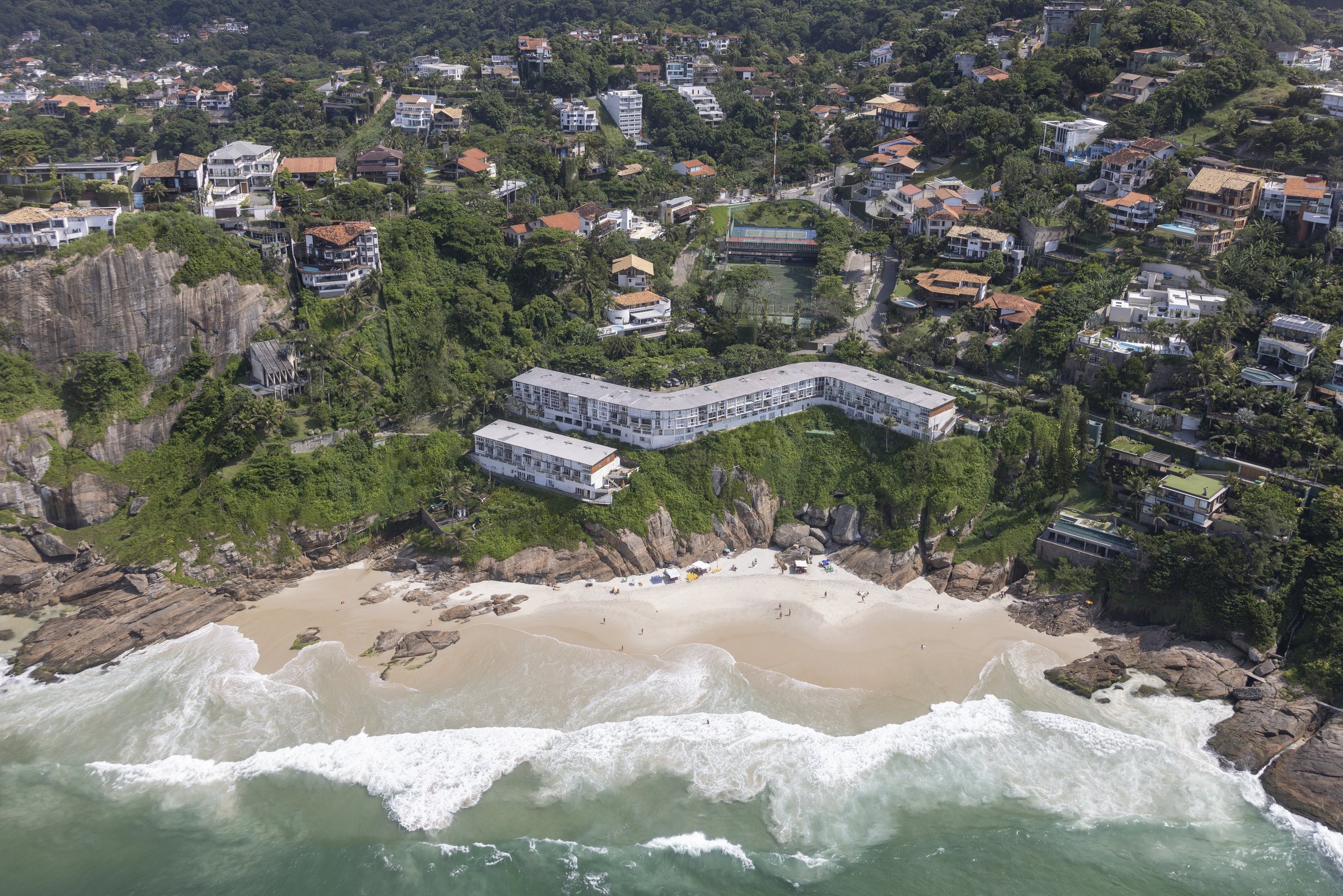 The Condominiums
Inside the Gated Condominiums of Joá
Joá is an open bairro of closed gardens. The named condominiums on the rock — Joatinga, Praia da Joá and the rest — and how they actually work.
Photo: Arne Müseler, CC BY-SA 3.0 DE
The Life
Living in Joá: A Resident's Field Guide
No shops, no bus line, no through-traffic — and ten minutes from everything. What daily life in Rio's quietest neighborhood is actually like.
Photo: Filipo tardim, CC BY-SA 4.0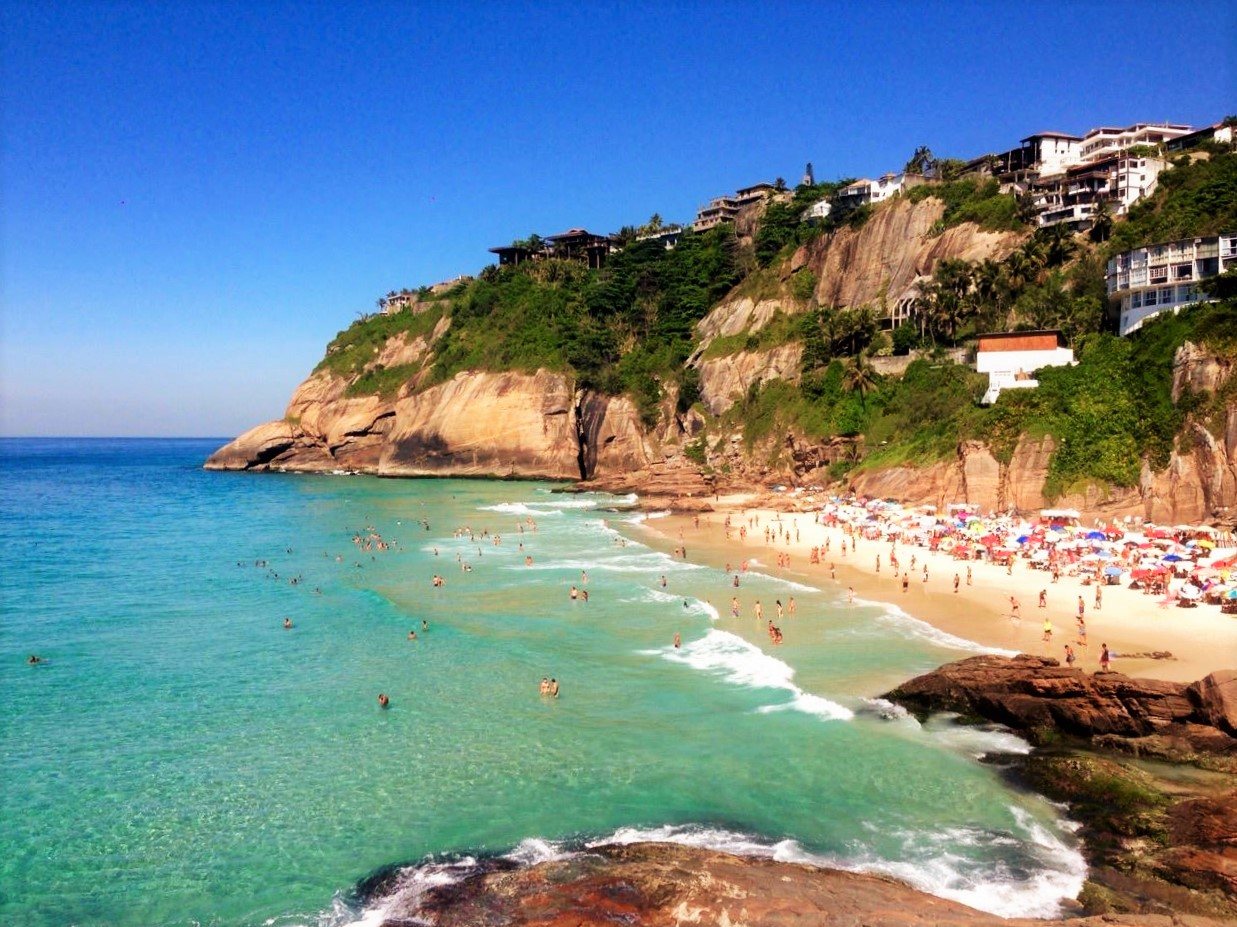 The Discretion
Privacy and Security in Joá
The famous don't choose Joá for the houses. They choose it for the one thing money struggles to buy in Rio — to not be seen.
Photo: VinnyWiki, CC BY-SA 4.0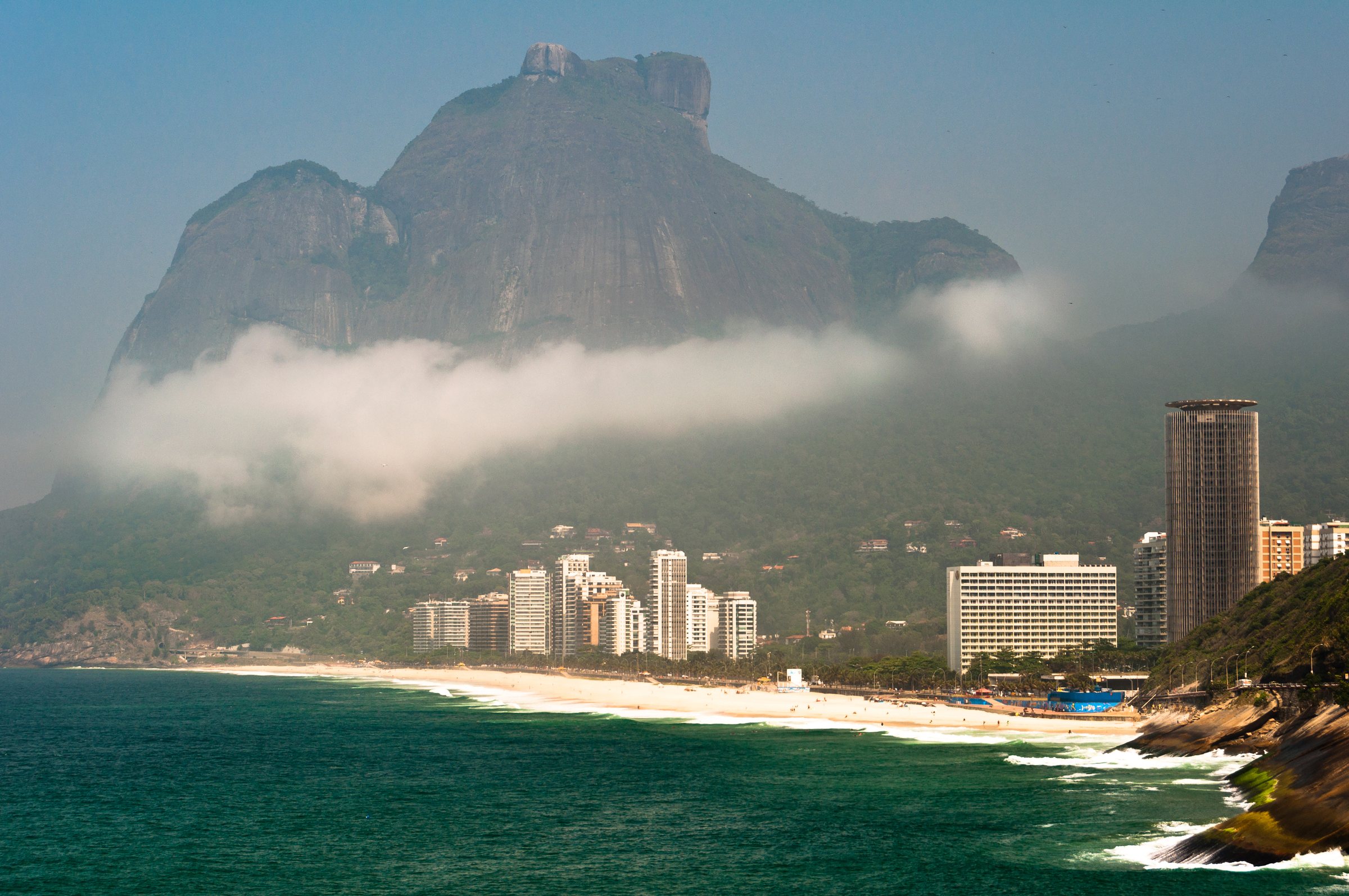 The Outlook
The Views from Joá
Gávea to the north, open Atlantic to the south, the Barra skyline to the west. A guide to the sightlines that set the neighborhood's prices.
Photo: Donatas Dabravolskas, CC BY-SA 4.0 Next Door
São Conrado: Joá's Neighbor
The beach where the hang-gliders land, the Gávea Golf club, and the neighborhood that shares Joá's mountain and its coast road.
Photo: Halley Pacheco de Oliveira, CC BY-SA 3.0
The West Zone
Barra da Tijuca: The Coast West of Joá
Cross the Elevado and Rio changes character entirely — wide beaches, new money and the long horizontal city that Joá looks out over.
Photo: Filipo tardim, CC BY-SA 4.0Who built it.
The architects and landscape designers who gave Rio — and Joá — its houses, from the modernist masters to the studios shaping the cliffside villa today.
The Architect
Sérgio Bernardes
The great carioca maverick who imagined Rio's future in glass and steel — and built houses on its hillsides that still set the language of the luxury villa.
Photo: Donatas Dabravolskas, CC BY-SA 4.0
The Studio
Bernardes + Jacobsen
The studio behind Brazil's most photographed contemporary houses — warm modernism in wood, stone and glass, and the practice reportedly behind a landmark Joá estate.
Photo: Arne Müseler, CC BY-SA 3.0 DE
The Master
Oscar Niemeyer in Rio
Brazil's most famous architect was a carioca first. The Rio curves — Niterói's flying saucer, the Sambódromo, the house at Canoas — that taught the country a new geometry.
The Landscape
Roberto Burle Marx
He painted with plants. The gardens behind Rio's great houses — and the Copacabana pavement the whole world walks on — belong to one restless genius.
Photo: Donatas Dabravolskas, CC BY-SA 4.0
The Sculptor
José Zanine Caldas
Self-taught, salvage-obsessed, and utterly original — the man who carved Brazilian modernism out of rescued hardwood and gave the tropical house its soul.
Photo: Donatas Dabravolskas, CC BY-SA 4.0
The Planner
Lúcio Costa and the Making of Modern Rio
The man who planned Brasília also drew the plan for Barra da Tijuca — the modern coast that Joá looks out over. The quiet architect behind Rio's shape.
Photo: Filipo tardim, CC BY-SA 4.0
The Builder
Affonso Eduardo Reidy
The architect of Rio's Museum of Modern Art and its most humane housing — the carioca who proved modernism could be public, generous and beautiful at once.
The Movement
Carioca Modernism
How a generation of Rio architects took European modernism, warmed it in the tropics, and invented a Brazilian way of building that the world still borrows.
Photo: Jfmelo, CC BY-SA 4.0
The Engineering
Building on the Rock
How do you build a glass house on a vertical cliff? The retaining walls, cantilevers, private funiculars and quiet engineering that make Joá's villas possible.
Photo: VinnyWiki, CC BY-SA 4.0
The Present
The Contemporary Carioca Villa
Wood, stone, glass and shade — the modern Rio house that Instagram made global. What defines it, who designs it, and why Joá is its natural home.
Photo: Donatas Dabravolskas, CC BY-SA 4.0The Beverly Hills carioca, literally.
The Brazilian press reports a roster of television and music names on the hill — among them Luciano Huck and Angélica, Cauã Reymond, Danielle Winits, Márcio Garcia and Carolina Dieckmann. What draws them is not the houses but the discretion: fewer than a thousand residents on a forested ridge that the cameras stop short of.
Read: Who Lives in Joá- Luciano Huck & Angélica presenters
- Cauã Reymond actor
- Danielle Winits actress
- Márcio Garcia actor & presenter
- Carolina Dieckmann actress
Where Joá sits on the coast.
On the seam between Rio's South and West zones — between São Conrado and Barra da Tijuca, under the Pedra da Gávea.
View larger map · © OpenStreetMap contributors
Joá, answered.
Where is Joá?
Joá is a small neighborhood on the western edge of Rio de Janeiro's coastline, between São Conrado and Barra da Tijuca — effectively the dividing line between the city's South and West zones. It belongs to the Barra da Tijuca administrative region.
Why is Joá called the “Beverly Hills of Rio”?
Because it is a hillside of large private homes, hidden in forest, with the highest concentration of wealth in the city and a long roster of well-known residents. Brazilian outlets from Metrópoles to Terra routinely call it the “Beverly Hills carioca.”
Who lives in Joá?
The Brazilian press reports a roster of television and music names — among them Luciano Huck and Angélica, Cauã Reymond, Danielle Winits, Márcio Garcia and Carolina Dieckmann. The neighborhood's appeal is privacy: fewer than a thousand residents on a forested ridge.
How do you get to Praia da Joatinga?
The beach is reached on foot through the gated Condomínio da Joatinga, off the Estrada do Joá. You give your name at the gatehouse, then take a staircase and a short scramble over the rocks down to the sand. Access is public, but parking inside the condominium is limited, so arrive early.
Is Praia da Joatinga open to the public?
Yes. Brazilian beaches are public by law, and the Joatinga condominium allows visitors through to the sand. But the beach is tiny and tide-dependent — at high tide the sand disappears under the waves — so check a tide table and go at low tide, in the morning.
Is Joá the most expensive neighborhood in Rio?
For houses and mansions, yes: a 2025 market study put Joá first in Rio by average sale price, ahead of Leblon and Ipanema. Those two still command the highest price per square metre for apartments; Joá is a neighborhood of large houses, and it leads on total value.
How this guide is made.
Joá is a place training data gets wrong. Every fact on these pages was checked against published sources before we wrote it — Portuguese and English — and where the record is uncertain, we left the claim out. The principal references:
- Joá — Wikipédia (Portuguese)
- Joá — Wikipedia (English)
- Elevado do Joá — Wikipédia
- Ciclovia Tim Maia — Wikipédia
- Túnel Zuzu Angel — Wikipédia
- Praia da Joatinga — Wikipédia
- “Beverly Hills carioca” — Metrópoles (2024)
- Rio's priciest neighborhoods (Loft study) — Diário do Rio (2025)
- Márcio Garcia's Joá mansion — CNN Brasil (2026)
- Zuzu Angel — Memorial da Democracia
- Praia da Joatinga — Rio Film Commission
Image credits.
Photographs are reproduced from Wikimedia Commons under the licenses noted. The photographers retain copyright.
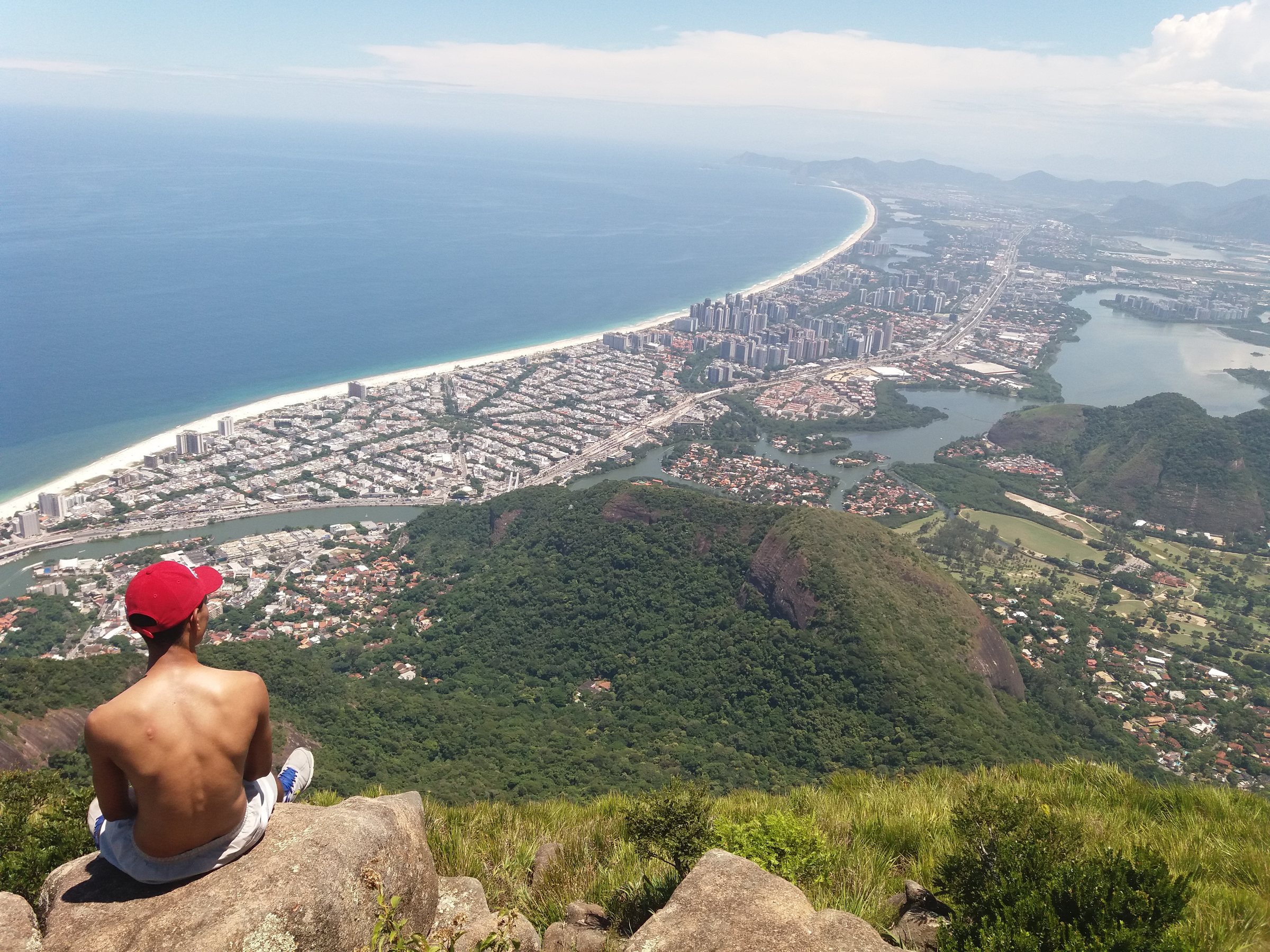
- Sunset from Pedra Bonita — the long sweep of Barra da Tijuca unfolding west of Joá.
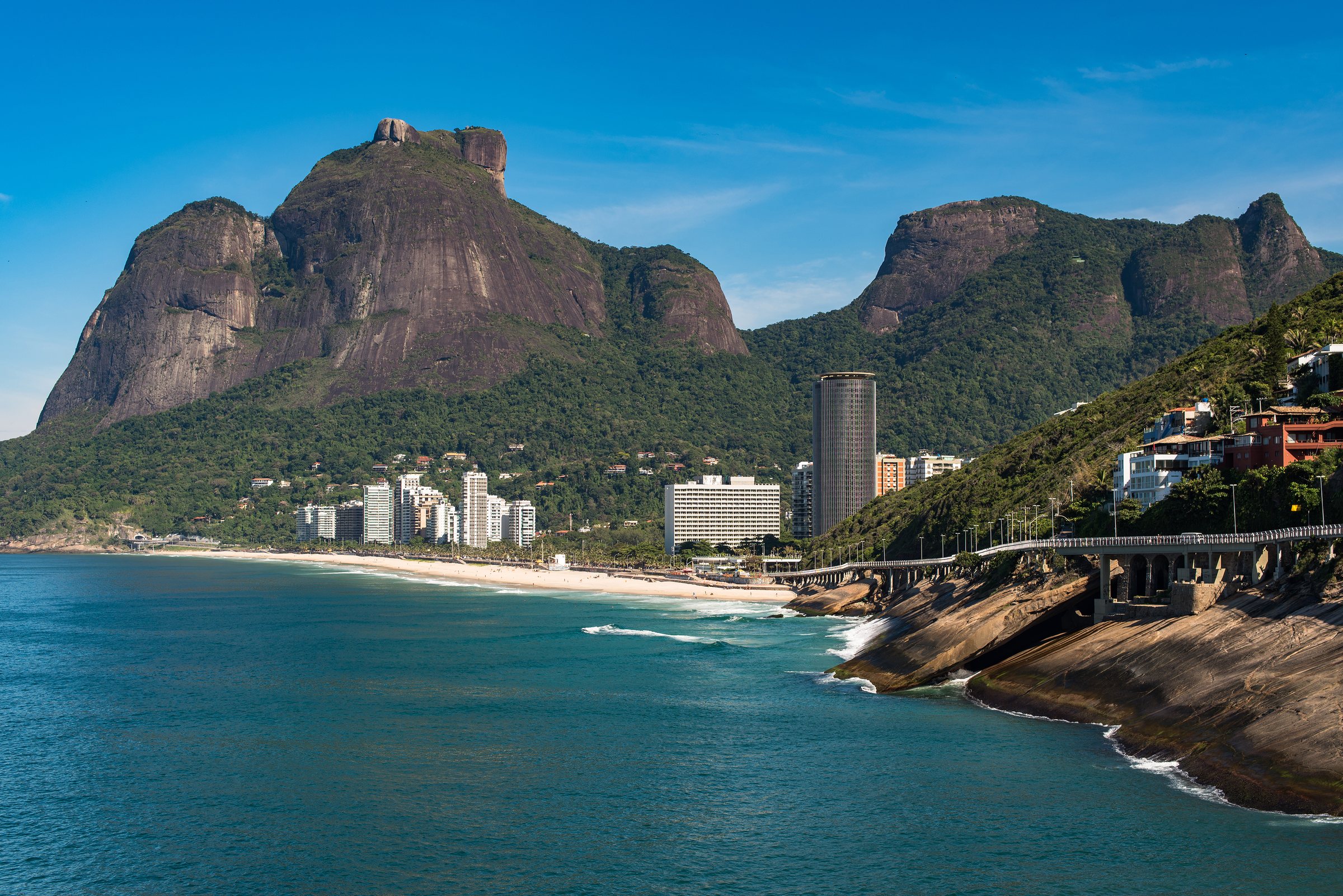
- Pedra da Gávea, the granite monolith that presides over Joá and the western beaches of Rio.
- Praia da Joatinga from the air — a crescent of sand hemmed by granite, reachable on foot at low tide.
- Pedra da Gávea from the Barra side, its flat summit and sheer face unmistakable on the skyline.
- The Elevado do Joá — the elevated coast road that threads the cliffs between São Conrado and Barra, with Joá's houses on the hill above.
- The Atlantic Forest spilling down the flanks of Pedra da Gávea toward the coast.
- Looking down onto Joatinga from the residential heights that give the neighborhood its privacy.
- The beach tucked beneath the cliffs of one of Rio's most private addresses.
- The monolith from the water — Pedra da Gávea anchors the horizon along the Joá coast.
- A hang-glider settling onto the sand at São Conrado, the beach next door to Joá.
Beyond Joá — the full Art de Vivre collection.
Joá Rio is one address in the Art de Vivre collection — a curated portfolio of homes for sale and villas for stay across Rio de Janeiro and the Brazilian coast. See the full collection at Art de Vivre.
One address on the crest.
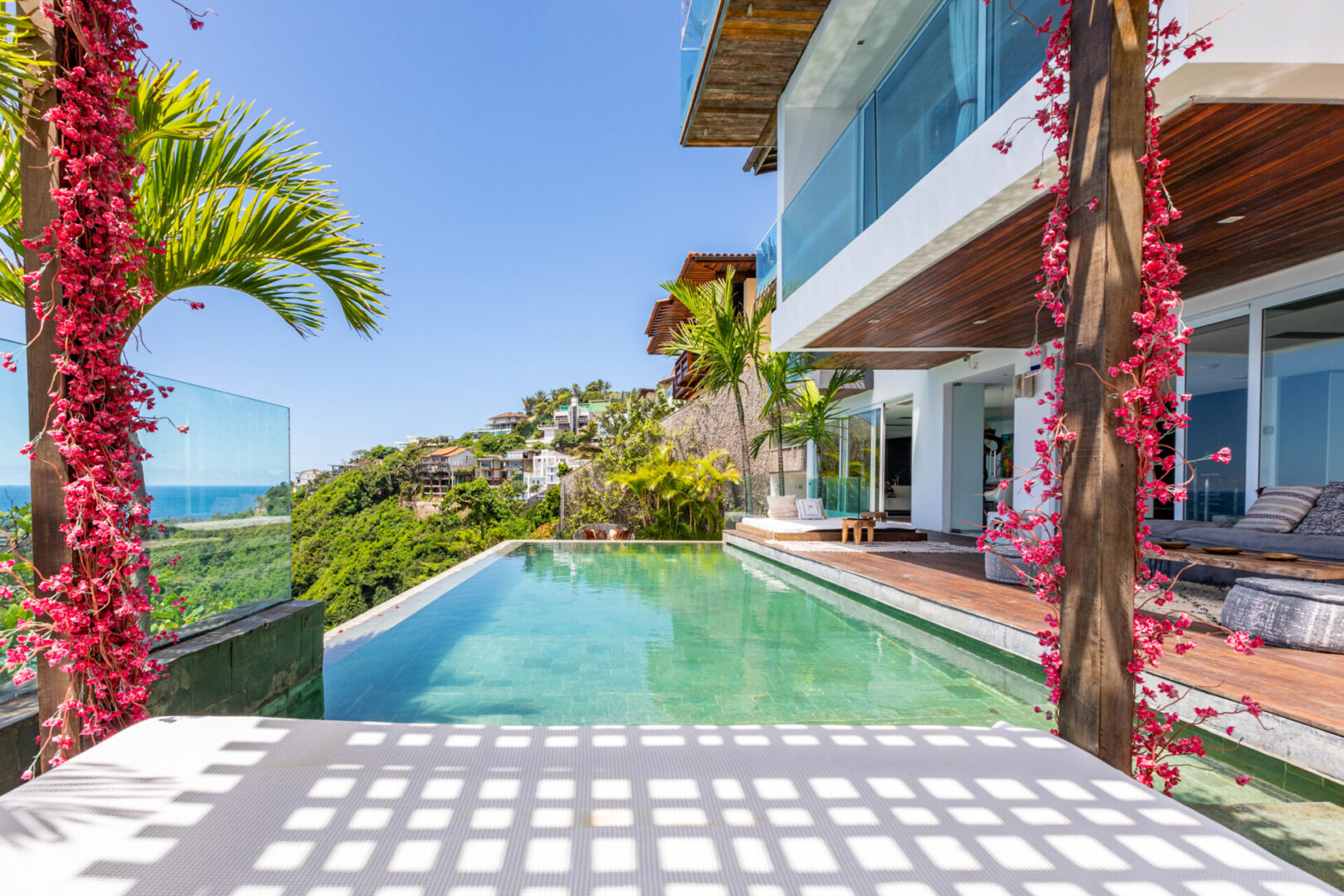
This guide is published from a house in Joá — five suites across three floors, an infinity-edge pool, a private elevator, and the ocean frontage the neighborhood is known for. Offered at R$ 15,000,000, shown by appointment.