Rio is a city that, more than most, rewards leaving. The geography that gives Rio its drama — the rainforested ridges, the long Atlantic coast, the proximity of the Serra do Mar — is also the geography that keeps, within a tank of petrol of the city, five small and very different places that do different things very well. A colonial town on the Costa Verde that the United Nations has preserved in amber. A fishing village the French turned into a resort. A bay scattered with three hundred and sixty-five islands. A mountain town that the Emperor of Brazil used as a summer capital. And, at a greater distance — the caveat will be made — a Brazilian Alpine resort three hundred kilometres away in the next state. A long weekend in any one of them is a visit to a different country; a long weekend in two is a crash course in the hinterland this city sits inside.
Joá Rio is published from ADV101, a five-suite villa in Joá offered at R$ 15,000,000, shown privately by appointment through Art de Vivre.
Ask about a viewing on WhatsAppWhat follows is a guide to the five, with the practical notes — drive time, best season, which town to pair with a villa — you need to decide where to go. A private driver from the house is the standard arrangement for any of these journeys; prices are modest by international standards, the cars are comfortable (we prefer the Land Cruiser for the winding roads), and the drivers know the shortcuts that Google Maps will miss.
I. Paraty — the colonial town
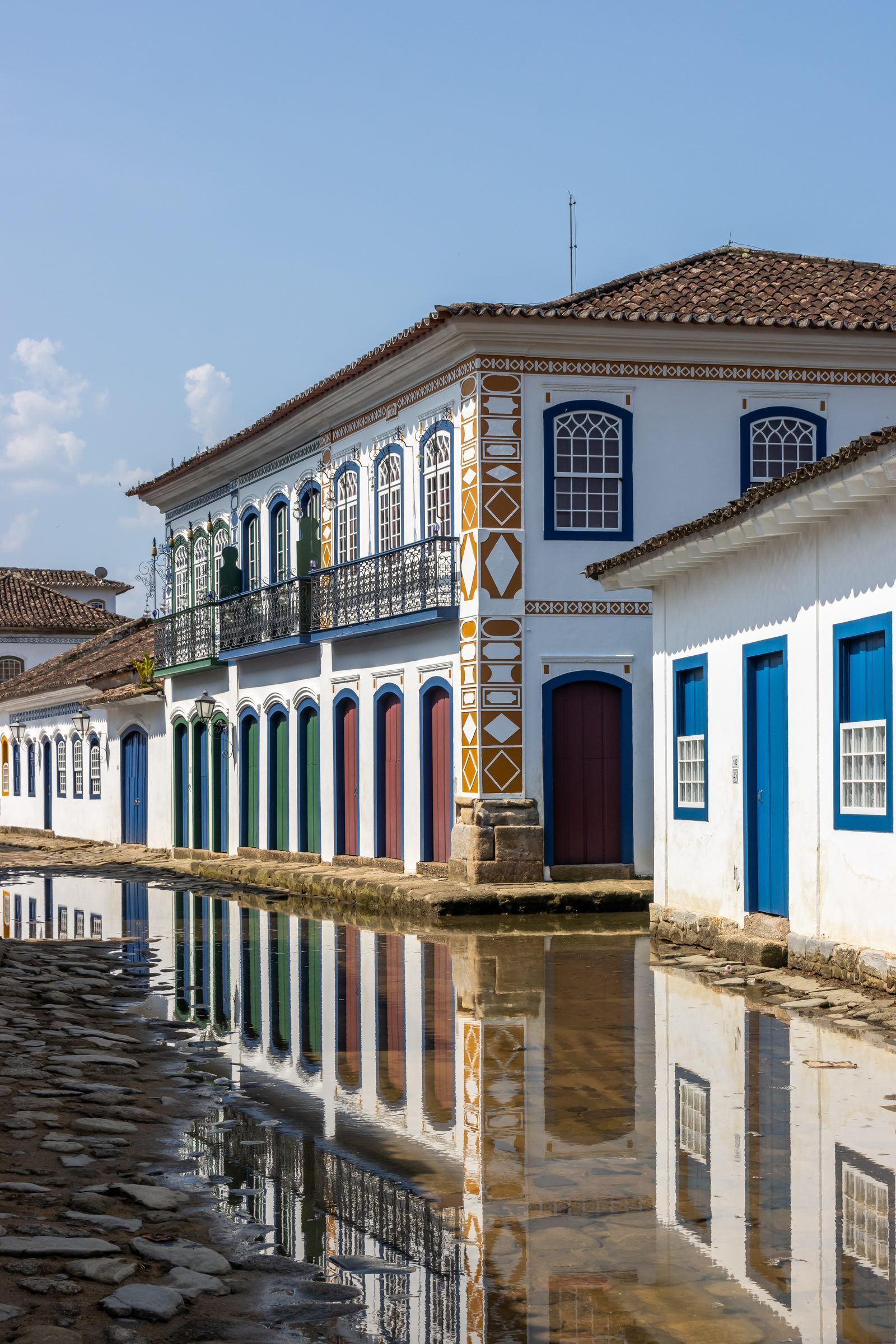
Four hours south-west of Rio, along the Costa Verde — the "green coast" of Atlantic rainforest pressing down to the sea — sits Paraty, a small colonial town preserved behind a set of decrees that halted any new development inside the old grid in 1966. Founded in 1667 as the terminus of the Gold Trail that carried the metal from Minas Gerais to the ships for Lisbon, Paraty was, for a century and a half, the second-most-important harbour in Brazil. Then the gold stopped, the railway went elsewhere, and the town fell out of the modern economy. It has been this way, waiting, since around 1850.
The old centre — a ten-by-six-block grid of whitewashed houses, stone streets, four colonial churches, and not one modern intrusion — is a UNESCO World Heritage site since 2019. The streets are paved with large irregular stones (the pé-de-moleque, "schoolboy's foot"), and flood twice a month at the king tide — the town was built to let the sea walk through the streets and out again, and it still does. There are no cars in the centre. A small fleet of horse-drawn traps still works the streets for the colour of it.
What to do. Walk the grid. Eat at Banana da Terra, where chef Ana Bueno's peixe à paratiense — a local white fish stewed in coconut milk and palm oil — is the dish of the trip. Spend a day on the water — a schooner tour of the bay, with swimming stops at four or five of the hundred-plus islands — which is the iconic Paraty activity. Visit one of the two dozen cachaça distilleries on the Gold Trail; Engenho D'Ouro and Pedra Branca both give tours with a tasting. Stay at Casa Turquesa (six rooms, the town's finest pousada) or at the Pousada Literária (nine rooms, a restored 1875 townhouse just off the main square). Two full days, three nights is the right length. Four hours each way by car — take the winding coastal road in daylight.
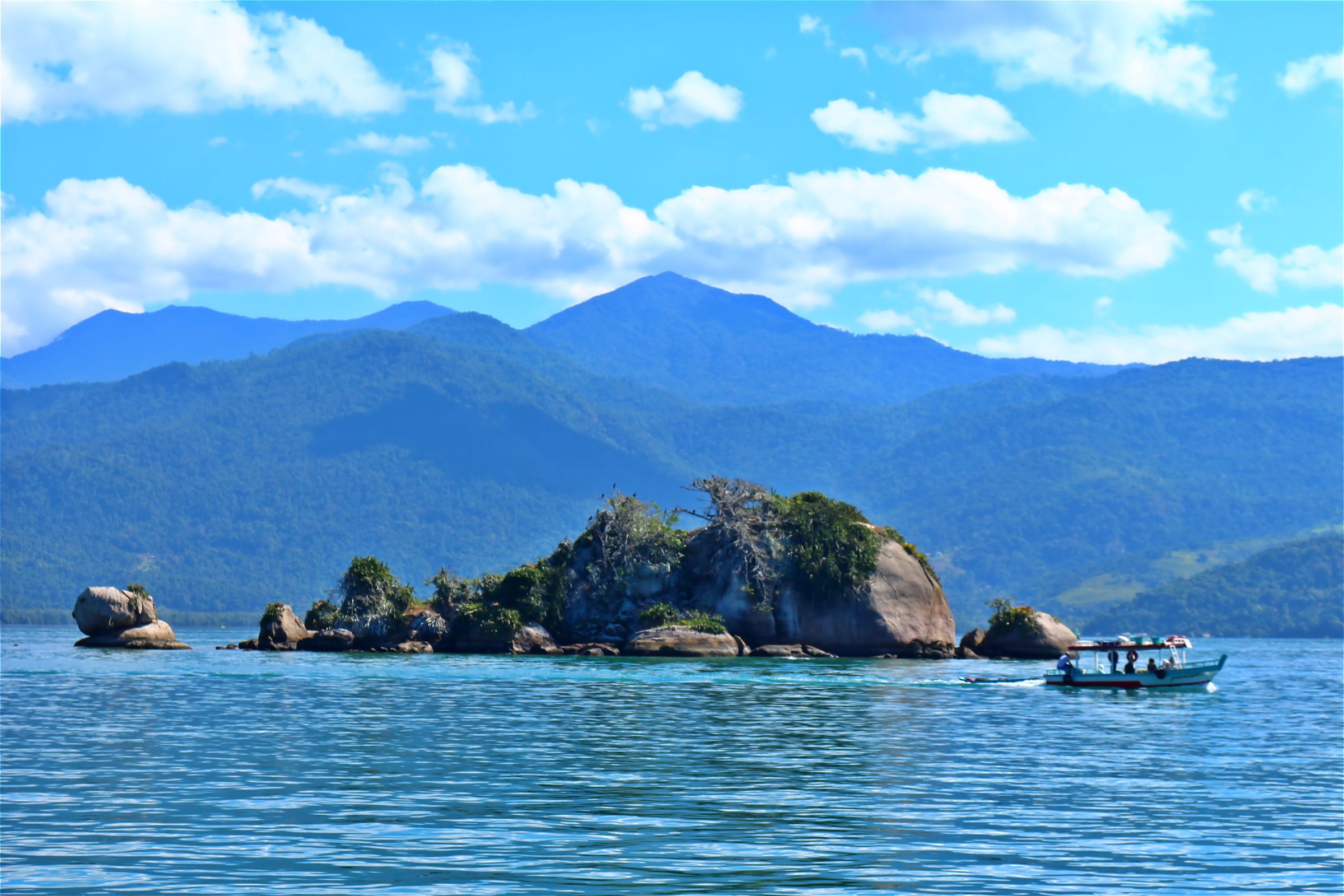
The schooner day. Take the sandwich.
A morning schooner out of Paraty's small harbour — the saveiro, a 40-foot wooden motor-sail with twelve chairs on deck and a galley below — runs a loop of four islands and swimming stops, with a lunch of grilled fish served on board. The bay is calm, the islands are close together, and the water is the colour of Bombay Sapphire gin. Wear a hat; the sun here is serious.
II. Búzios — the imported village
Búzios is a small coastal village two and a half hours north-east of Rio, on the Região dos Lagos — the "lake region" of the Atlantic coast, where the string of freshwater lagoons runs parallel to the beach. Until 1964, Búzios was a fishing settlement with a population of 1,200 and a single church. That year, Brigitte Bardot — banished from the French papers during her divorce from Gunter Sachs — took a three-month holiday in the village with her then-lover, the Brazilian journalist Bob Zagury, and the international press followed them in. Bardot left; the press stayed; the international set arrived. By 1980, Búzios was Brazil's Saint-Tropez.
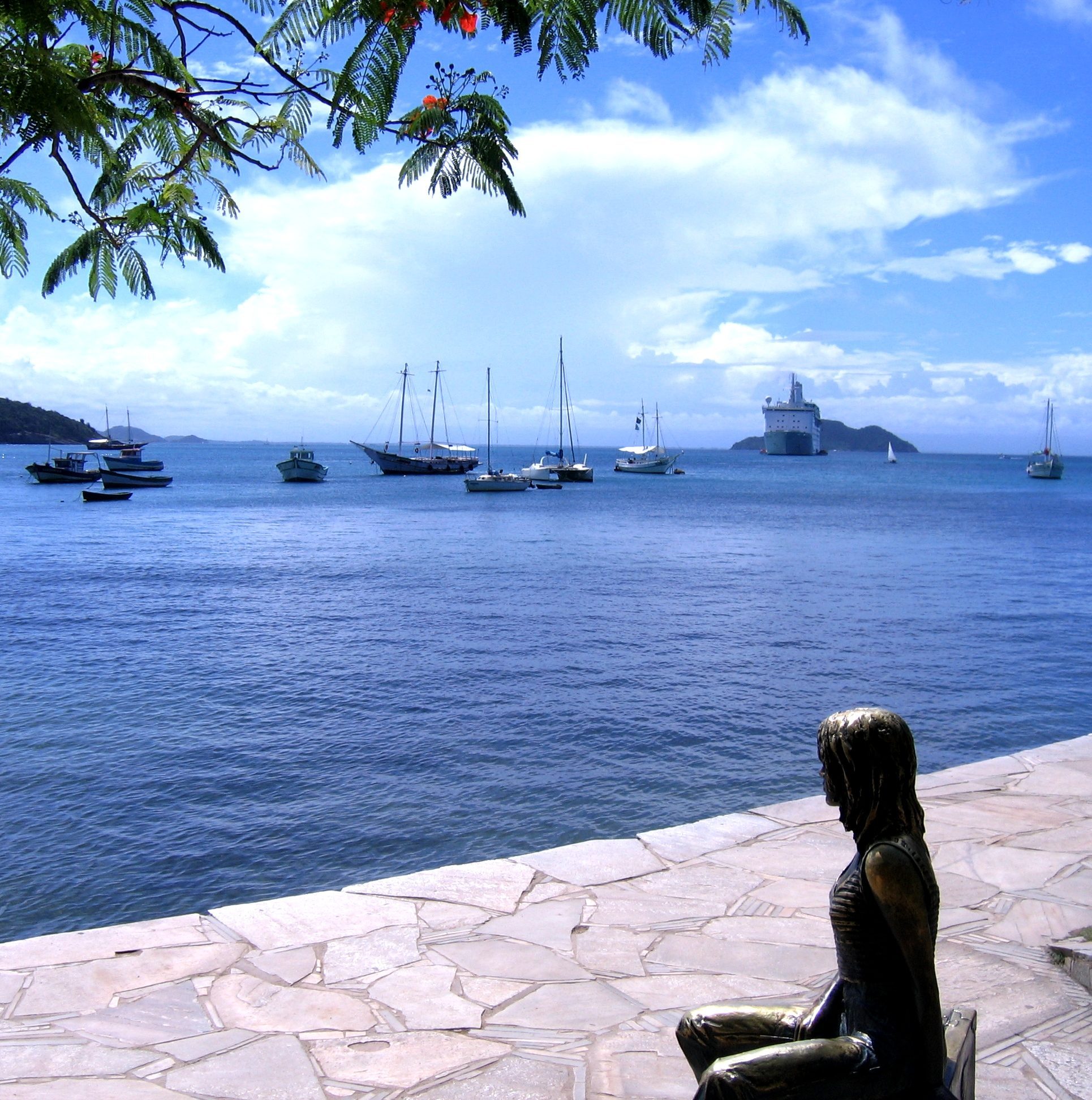
The village today has about 25,000 permanent residents and a further 100,000 on a summer weekend. It is arranged along a three-kilometre coastal promenade — the Orla Bardot, named for the woman who put the town on the map — with a bronze statue of the actress sitting halfway along, looking out at the water. Behind the promenade, a compact grid of restaurants, bars and boutiques; in front of it, the small harbour where the schooners load for the beach-hop tours.
Búzios has twenty-three beaches, each with a distinct character. Praia da Azeda, reached on foot through the Praia dos Ossos headland, is a small pale-sand cove with water of a clarity you do not find on the Rio beaches — it is often called the most beautiful beach in the state of Rio de Janeiro, and I will not argue. Praia da Ferradura — a horseshoe bay — has a line of beach clubs along the sand and is the place for a long lunch. Geribá is the surf beach, and the younger, later-night beach. João Fernandes is the family beach — a cove with a gentle slope into warm water.
What to do. A beach day — pick one, stay, do not roam. A schooner around the peninsula for a swim at six beaches in an afternoon. A dinner at Cigalon, the Provençal restaurant on Rua das Pedras, with its long wooden bar and thirty-year wine list. A night out at the bars of the Orla after ten. Stay at the Casas Brancas boutique hotel — twenty rooms on a hillside overlooking the Praia da Armação, the pool on a terrace at the edge of the drop — or at the Insólito Boutique on Praia da Ferradura. Two nights; three is better if you can. For couples, Búzios is an easy add-on to a Rio trip; we route drivers through the Região dos Lagos for the day excursion option as well.
III. Angra dos Reis and Ilha Grande
Two and a half hours south-west of Rio — the first half of the drive to Paraty — sits Angra dos Reis, a port town on the Bay of Ilha Grande. The bay itself is the reason to come: 3,500 square kilometres of turquoise water scattered with a reported three hundred and sixty-five islands, one for every day of the year, most of them uninhabited. The Angra coastline is the Atlantic Brazilian Mediterranean — calmer, warmer, more wooded, and threaded with the weekend residences of the São Paulo and Rio elite.
Angra the town is a functional harbour, useful mostly as a point of departure. The real destination is Ilha Grande, a large car-free island two hours by boat from the mainland and famous for, among other things, Praia de Lopes Mendes — a three-kilometre arc of sand that is regularly listed among the most beautiful beaches in the world. No hotels, no kiosks, no road; a single trail from the island's main town of Vila do Abraão leads to it, walked in about ninety minutes through the rainforest. The beach itself is powder-white sand, the water a clear pale-green, and — because the access is a ninety-minute walk — the crowds are never large.
The alternative to Ilha Grande is a private island. Several residences on the smaller islands are available for short-term charter — three days, four days, a week — with a staff, a chef, a boat to the mainland. This is, in the carioca imagination, what you do with a bay of three hundred and sixty-five islands. The cost is considerable. The result is unforgettable.
What to do. Take the boat out at dawn for the swimming beaches — Lagoa Azul, Lagoa Verde, the Gruta do Acaiá. Dive; the bay has reasonable visibility and a surprising range of small wrecks. Stay at the Hotel Sagu Mini Resort or, at a higher register, one of the private-island properties. Three nights minimum; the travel is long, the pace is slow, and you do not recover the cost of the journey in two.
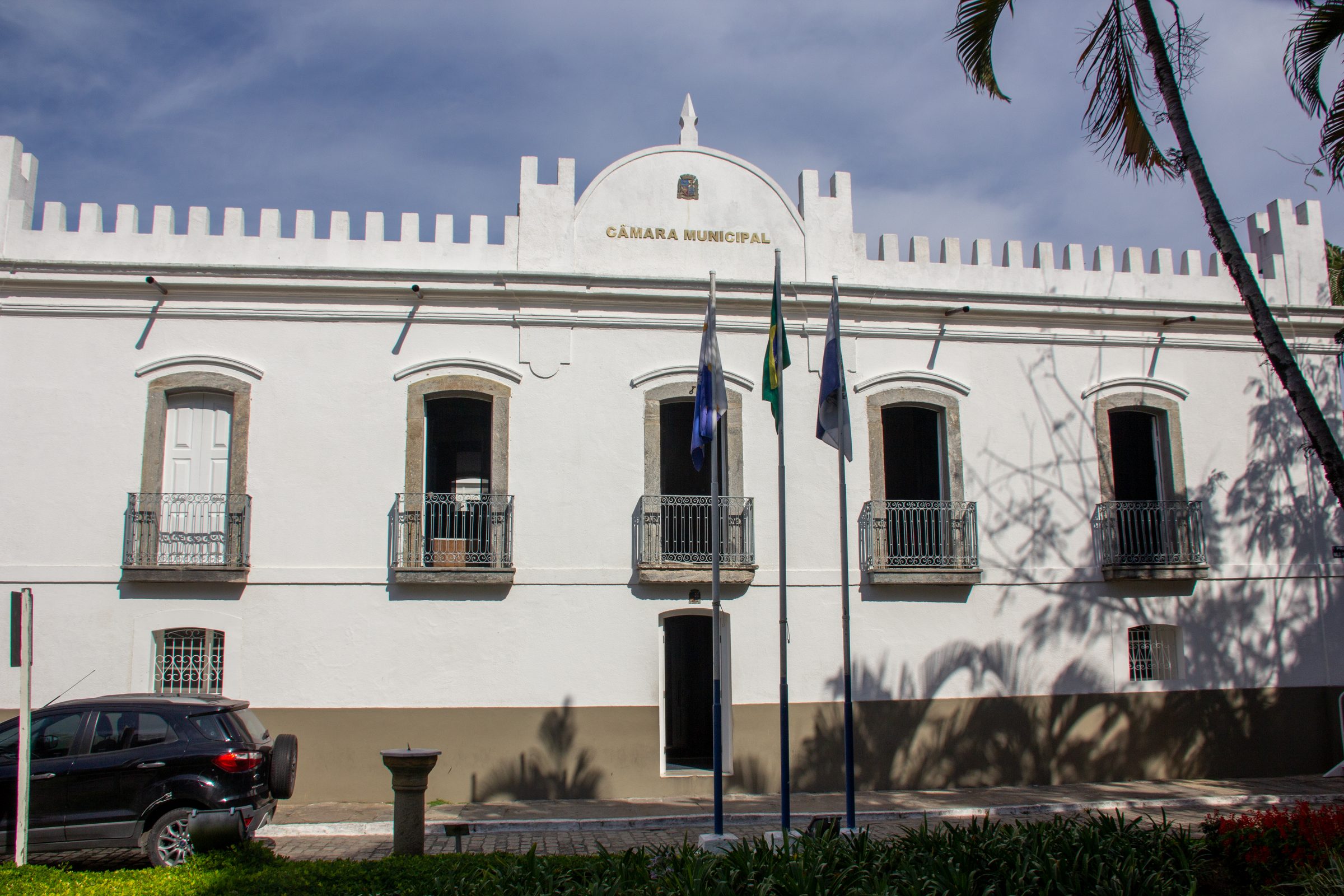
“A long weekend in any one of them is a visit to a different country.”
IV. Petrópolis — the emperor's summer
An hour and a half north of Rio, up a series of hairpin switchbacks through the Serra dos Órgãos, sits Petrópolis — the nineteenth-century mountain town that Emperor Dom Pedro II built as his summer capital, and the cool hill station that, in carioca culture, still functions as a weekend refuge from the summer heat. Petrópolis sits at 800 metres above sea level; the temperature is reliably ten degrees cooler than Rio, the afternoons are frequently misty, and the air smells of pine and eucalyptus.
The town centre is a small walkable grid organised around the Museu Imperial — the emperor's summer palace, a two-storey neoclassical confection with the gardens, the parquet, the crown jewels (literally: the imperial crown itself is on display) intact. The museum is the single most-visited in Brazil and the right way to spend a morning. In the same grid: the Palácio de Cristal, a 1884 wrought-iron-and-glass pavilion shipped from France and reassembled here (a gift from Dom Pedro II to his daughter Princess Isabel); the Casa de Santos Dumont, the eccentric mountain house of the aviation pioneer, designed with a single staircase going in only one direction; and the Cathedral of St Peter of Alcântara, the Gothic Revival church where the imperial family is buried.
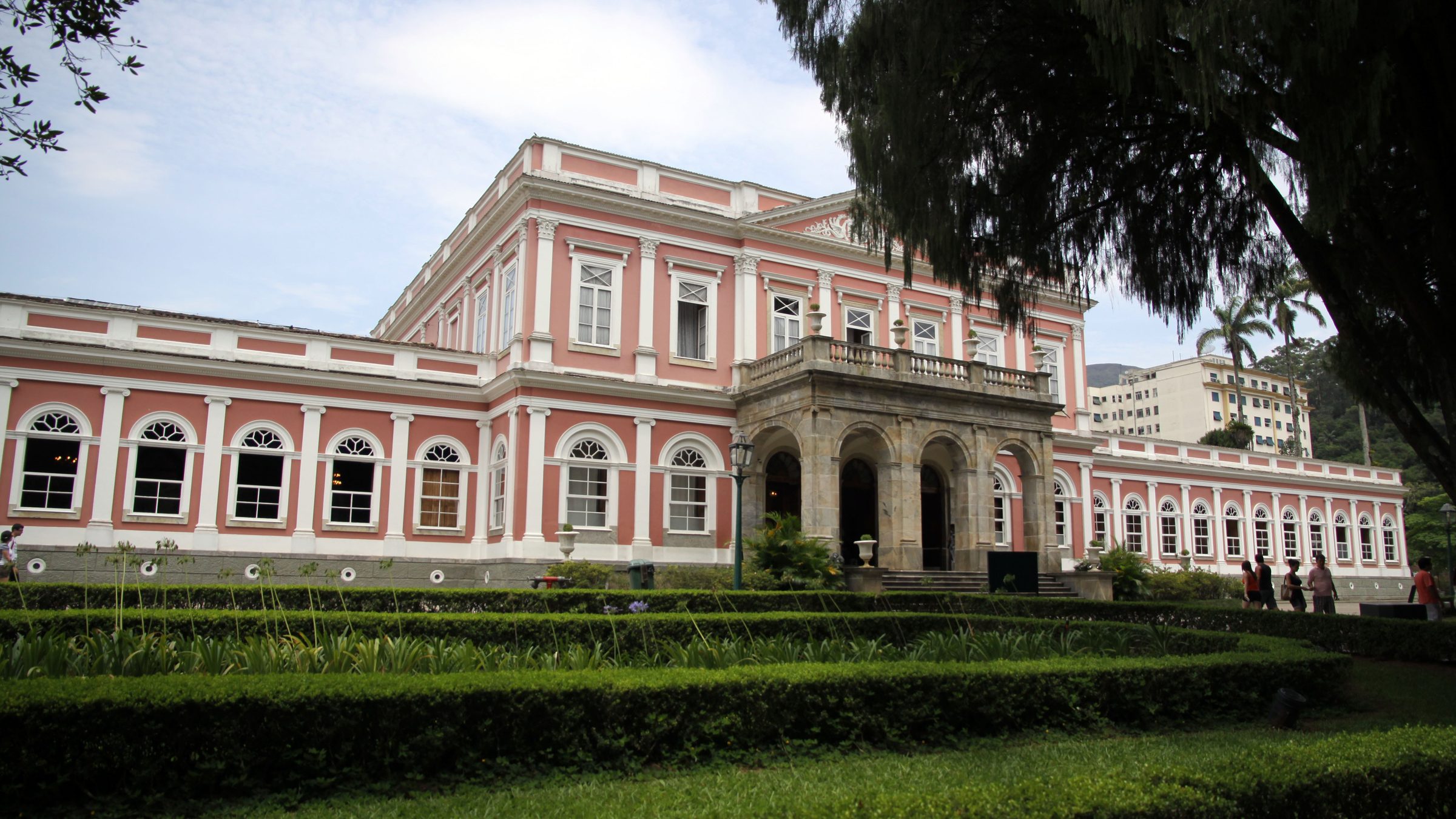
The emperor's summer, preserved. And open.
Dom Pedro II's summer palace — built between 1845 and 1864, donated to the Brazilian state in 1940, now the most-visited museum in the country. The interiors are largely intact: the music room, the banquet hall, the emperor's library with the thirty thousand volumes he read. The imperial crown sits in a glass case on the first floor. Guided tours run hourly; an audio guide in English is good.
What to do. The Museu Imperial in the morning; lunch at Locanda della Mimosa, the Italian restaurant on the old road into town that is, by consensus, the best kitchen in the serra; the afternoon at the Palácio de Cristal and a walk through the Horto botanical gardens. Dinner back at the hotel or at Cremerie Geneve, a Swiss-Brazilian chalet restaurant on the main square. Stay at the Solar do Império (a former imperial residence, now an eighteen-room hotel with a spa) or at Pousada Monte Imperial, a smaller, gentler option. An overnight is enough; two nights is generous. Pair with a morning in Rio either side.
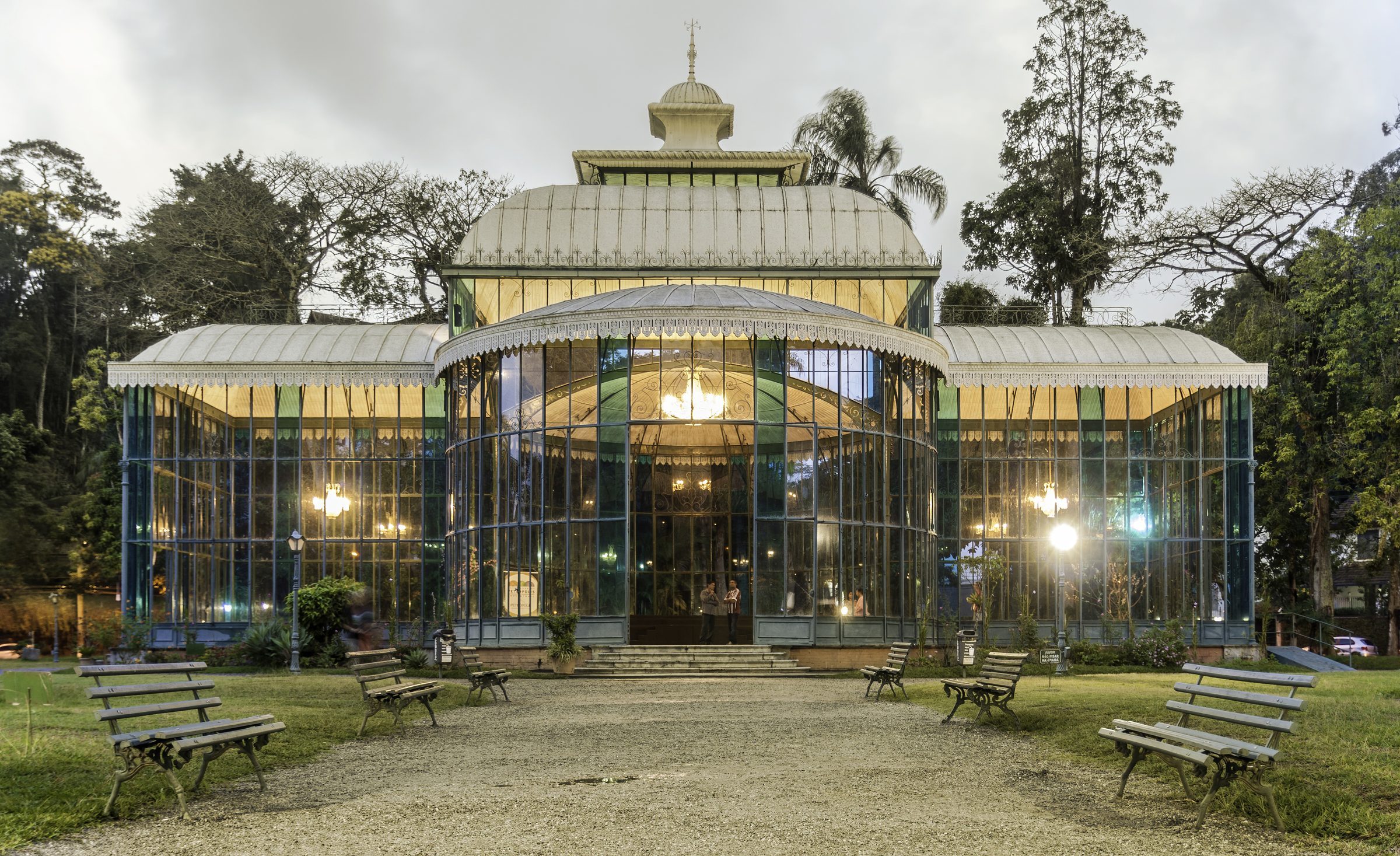
V. Campos do Jordão — the Alpine digression
The caveat first. Campos do Jordão is not in the state of Rio de Janeiro. It is in the Serra da Mantiqueira, in the state of São Paulo, 300 kilometres from Rio by the most direct route — a five-and-a-half-to-six-hour drive through the Paraíba Valley. It is, without dispute, the most charming mountain resort in Brazil, and it is worth a journal entry of its own. But it is not a weekend journey from Rio — the travel is too long — and a Rio visitor going to Campos do Jordão should either combine it with a São Paulo stay or plan it as a five-day digression.
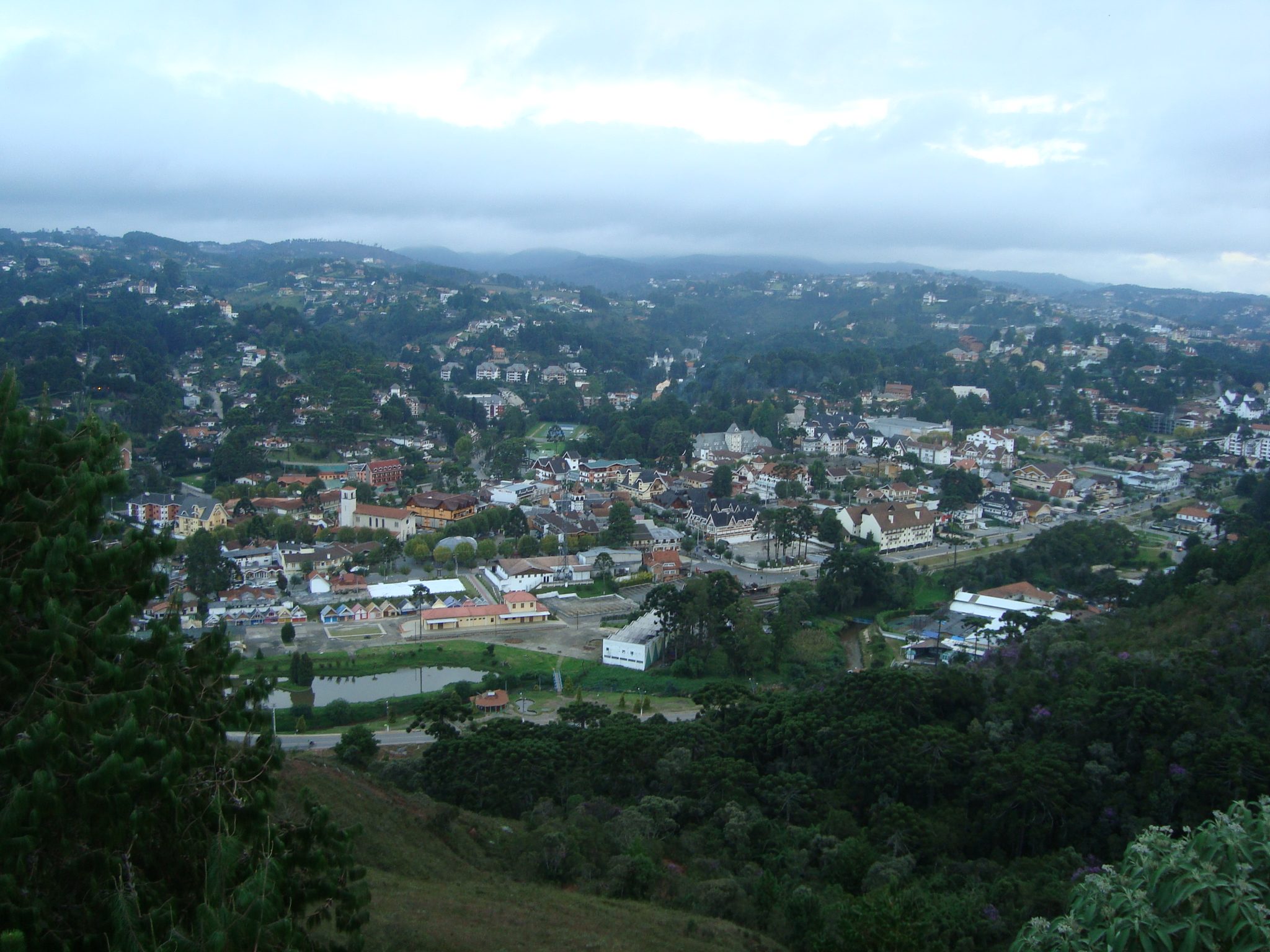
Why go at all. Campos do Jordão is a Brazilian Alpine town — 1,700 metres above sea level, air temperature in winter (July through August) dropping to near zero, a genuine frost on the grass some mornings, pine forests, a chalet-and-fondue architecture that is, yes, a little Disneyland-Swiss but also a little actually-nice. The town is organised around Vila Capivari — a pedestrian village of restaurants, chocolatiers, and a main square with a small lake. In high winter season — July — the Festival de Inverno brings the São Paulo State Symphony Orchestra to the town for a month of concerts at the Auditório Claudio Santoro. It is, in this month, one of the most chic addresses in the country.
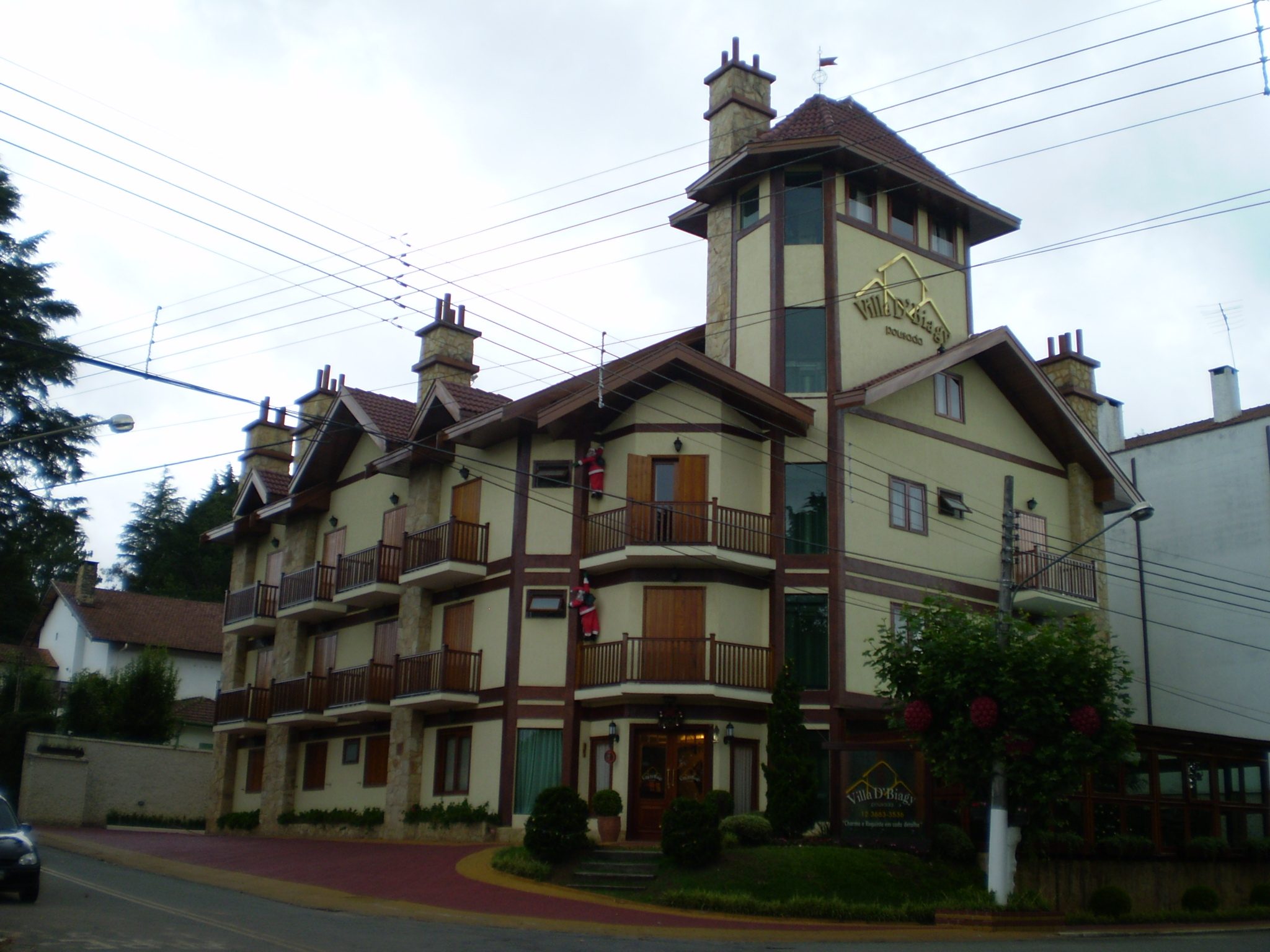
What to do. Walk Vila Capivari. Take the Bondinho do Capivari — the small aerial cable car that runs from the main square to the Morro do Elefante summit. Drive the short distance to the Horto Florestal, a forest reserve of Araucárias (the Brazilian pine, a two-hundred-year-old giant) with trails of varying ambition. Eat fondue — the town's unofficial winter dish — at the Baden-Baden brewery restaurant on Rua Djalma Forjaz, a Bavarian-style tavern of considerable character. In winter, take a concert at the festival. Stay at the Hotel Frontenac (Relais & Châteaux member, thirty-seven rooms, the town's grand dame) or at the Vila Inglesa (older, more intimate). Two nights is enough; three is indulgent.
For a Rio visitor who wants the same mountain-town feel without the six-hour drive, Petrópolis is the answer. Campos do Jordão is for a second or third trip to Brazil.
VI. Deciding between them
If you have only one weekend out of Rio, my ranking: Paraty first if you want colonial history, a water day, and the cachaça distilleries. Búzios first if you want beach days and a livelier evening scene and have already done Rio's beaches. Angra and Ilha Grande if you are travelling with a group willing to absorb the longer journey for the payoff of a private island or a genuinely unspoiled beach. Petrópolis if you are short on time — one night, two days, the closest of these and the easiest pair with a Rio week. Campos do Jordão only if you can combine with São Paulo or commit five days.
For couples with a week in Rio and a weekend to add: Rio Thursday through Sunday, Paraty or Búzios Sunday afternoon through Wednesday, back to Rio Wednesday night for a final dinner and a sunrise at the Sugarloaf Thursday morning before the flight. We have run this itinerary for enough couples that the schedule of drivers, boats, hotels, and concierges is, at this point, a well-worn groove.
VII. A shorter round trip
A final option — too often skipped — is not a weekend away but a long day trip from the house, back by dinner. Three of these work reliably.
Nova Friburgo and Teresópolis, in the same Serra dos Órgãos massif as Petrópolis, offer a day of forest hikes (the Teresópolis-Petrópolis traverse is the classic Atlantic-forest hike in Brazil, though a serious one); German- descended mountain villages; and a drive back to Rio in time for a late dinner.
Restinga da Marambaia — a long sandbar on the Costa Verde, a Naval-Academy-controlled nature reserve with a single beach open by permit — is a half-day boat outing from Angra or a day-long drive-and-boat combination from Rio. One of the least-visited genuinely beautiful stretches of the state.
Cabo Frio and Arraial do Cabo — two beach towns a little before Búzios — are reachable in two hours each way. Arraial do Cabo has Brazil's clearest coastal water; a schooner day here rivals anything in the southern Caribbean.
Rio is a city that rewards staying, and rewards leaving. The twenty-four hours on a schooner in Paraty, the long lunch on Praia da Ferradura in Búzios, the misty afternoon in Petrópolis looking at Dom Pedro II's desk — each of them changes what Rio looks like when you come back. The week you spend in the city is the first chapter. The weekend you spend out of it is the chapter that puts the first one in context.