Rio is not a museum city. It has museums — serious ones — and we will get to them. But the city the first-time visitor has come to see is an outside city, a city of mountains and water, of streets and stadiums, of the long ritual of sunset and the long ritual of dinner after it. The things to do in Rio are almost all, at one level, things to do out of doors. The ones that aren't are things to do at night. Both categories end up at the same kiosk, eventually, with a cold beer and a plate of something fried, and both belong to a city that understands hospitality as an architecture, not an industry.
Joá Rio is published from ADV101, a five-suite villa in Joá offered at R$ 15,000,000, shown privately by appointment through Art de Vivre.
Ask about a viewing on WhatsAppWhat follows is a working list — not a checklist, not a ranking, not a list of lists. It is sorted by kind of day — the summit day, the beach day, the stadium day, the samba night, the museum afternoon, the weekend out of town — because the useful question, when you have a week in Rio, is not "what should I see" but "how should I spend Thursday." Under each category, three or four experiences, each with the short practical notes you need to book it.
I. A summit day
Four peaks in the city reward a climb, and each frames the bay from a different angle. One summit a day is the civilised pace; two is possible if you start early and take the last cable car down.
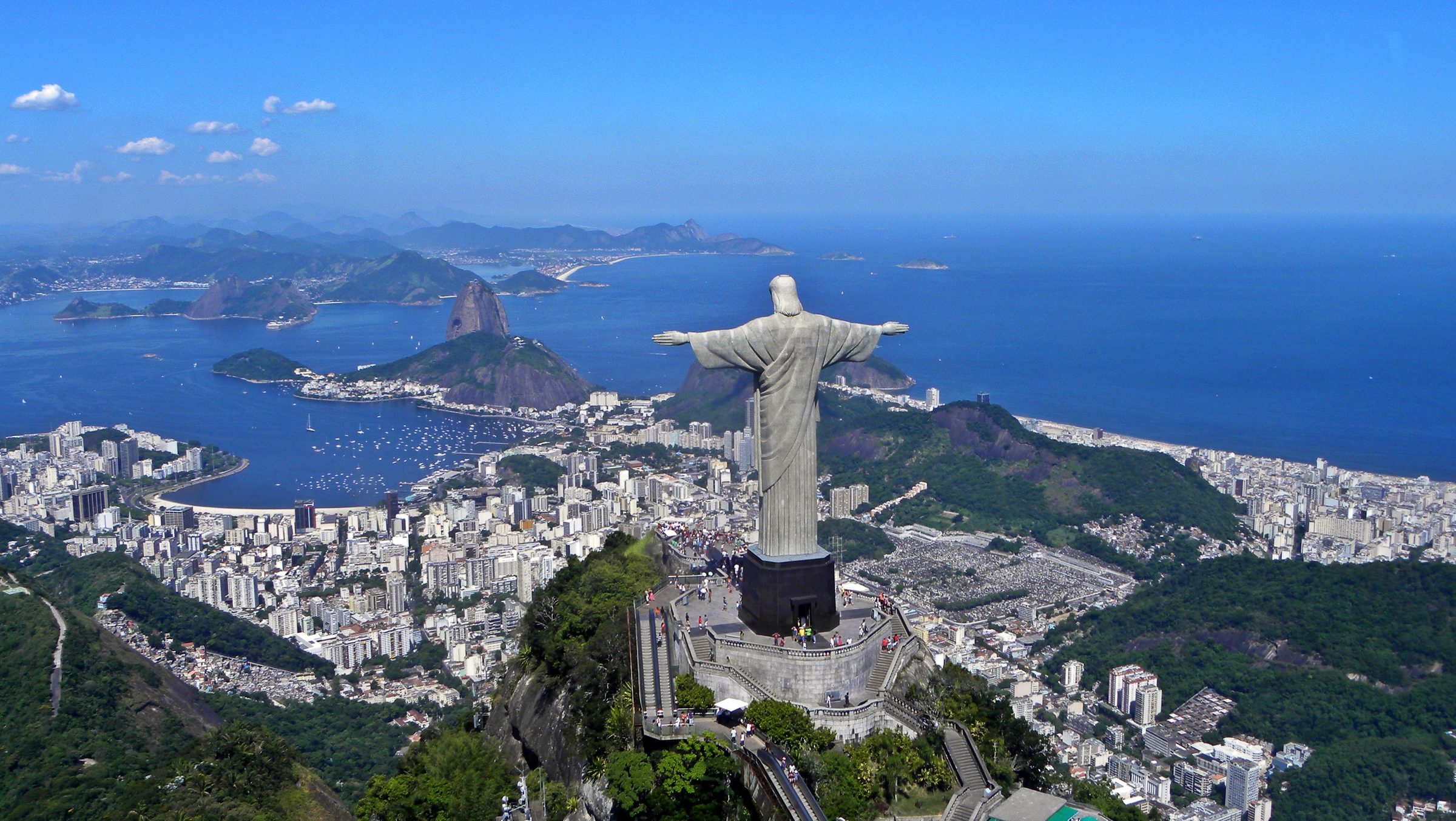
Corcovado and the Cristo Redentor. The statue is ninety-eight feet tall and stands on the seven-hundred-and-ten-metre summit of the Corcovado peak, at the geographic centre of the city. Three ways up. The cog train from Cosme Velho, 1884 vintage, red-and-cream livery, climbing through the Tijuca National Park on a single-track rack railway, is the experience I recommend — the journey is the ticket. The official van from Paineiras is faster and less atmospheric. The private car with authorised permit, which our concierge books, is the luxury option — door to summit in forty minutes with no queue. Buy the train ticket online through tremdocorcovado.com.br; the first train leaves at 8 a.m. and is the one to take. Budget two and a half hours for the round trip.
Sugarloaf and the bondinho. The cable car from Praia Vermelha in Urca lifts you in two stages — first to the Morro da Urca, then to the Pão de Açúcar itself — and is the finest piece of engineering tourism in Rio. The first car was installed in 1912; the current cars, Austrian-made, glide silently on a single loop. Go at sunset: the first car up should be at 5 p.m. in summer, 4.30 in winter. Carry a light jacket. The platform at the summit has a disproportionately good caipirinha bar; sit with your back to the railing and face the bay. The last car down leaves at 8.30 p.m.
The hang-glide from Pedra Bonita. The flat rock above São Conrado — 510 metres, five-minute launch, a glide of ten to fifteen minutes across Barra to the landing strip at Praia do Pepino — is the best hundred-and-eighty-dollar spend in Rio. The pilots are career professionals with FAI certifications; the aircraft are inspected annually; the safety record is unblemished. You will not fly the craft — you will sit in a tandem harness, your feet in stirrups, and enjoy the ride. Book through Just Fly or Delta Flight; mid-morning launches are the most reliable.
Pedra da Gávea. The tallest coastal monolith in the world at 844 metres, and the hike of the trip for visitors in shape. Four hours round trip; one vertical crux near the top (a rope-assisted scramble called the Carrasqueira), which a good guide will secure. Start at 6.30 a.m. from the trailhead at the Parque Nacional da Tijuca entrance off Estrada Sorimã. A guide is customary and not expensive; go with Trilha do Rio or a recommendation from the concierge. The view from the top — the whole of the Zona Sul, the Atlantic running east, Sugarloaf small on the horizon — is the trip's best photograph.
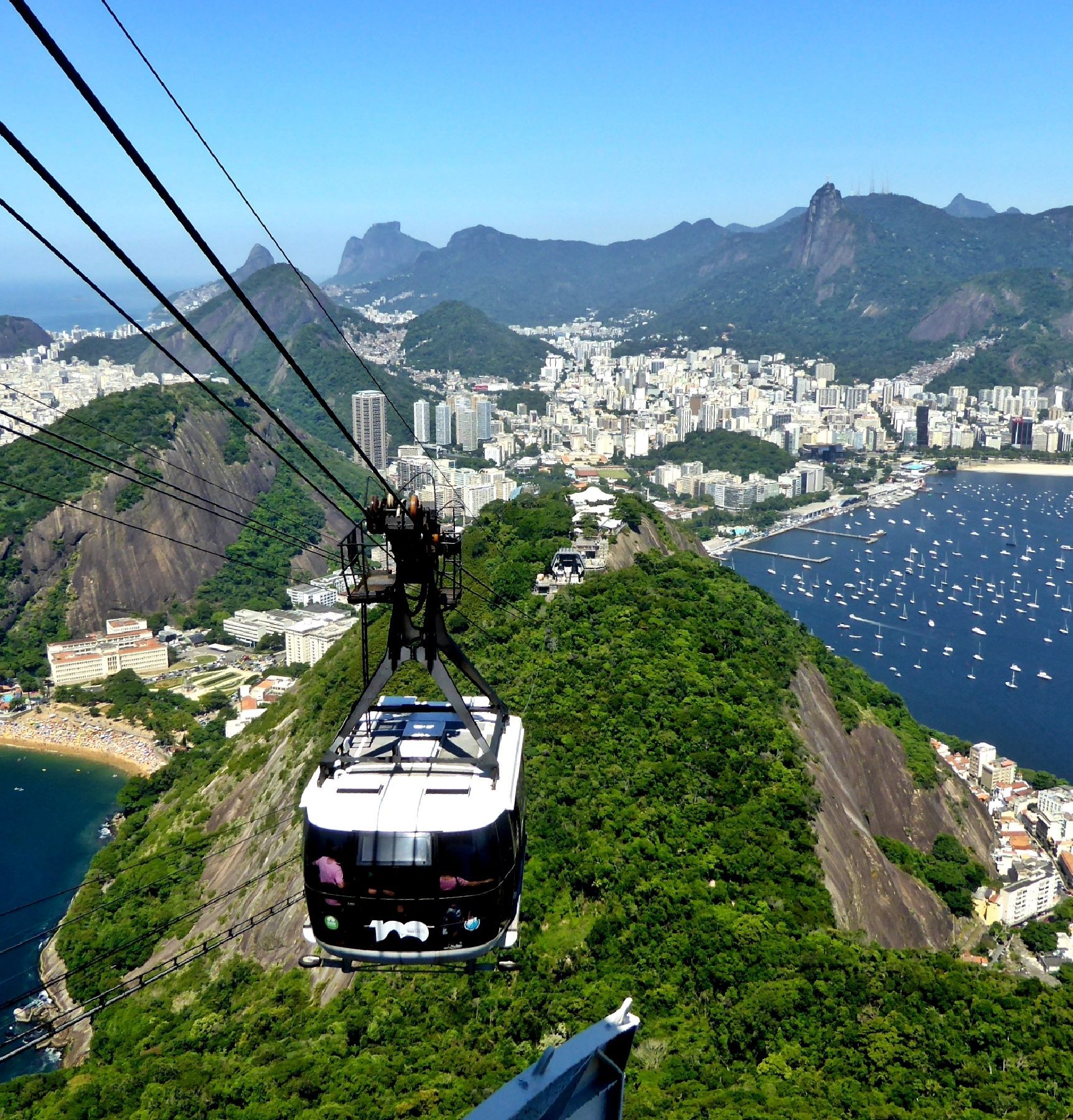
The cable car, not the climb. (There is a climb.)
You can climb Sugarloaf on foot. The Costão do Pão de Açúcar is a 200-metre sport-climbing route up the mountain's south face, rated 5.7. It is a serious day for a moderately experienced climber and a guide is essential. Otherwise, take the cable car. The mountain does not judge either choice.
II. The stadium and the samba night
Rio's noise is not made by any single building — the city's loudest places are the beach at New Year's, the sambadrome at Carnival, the street at a football Sunday. But the stadium and the samba house between them carry the city's rhythm on a normal week.
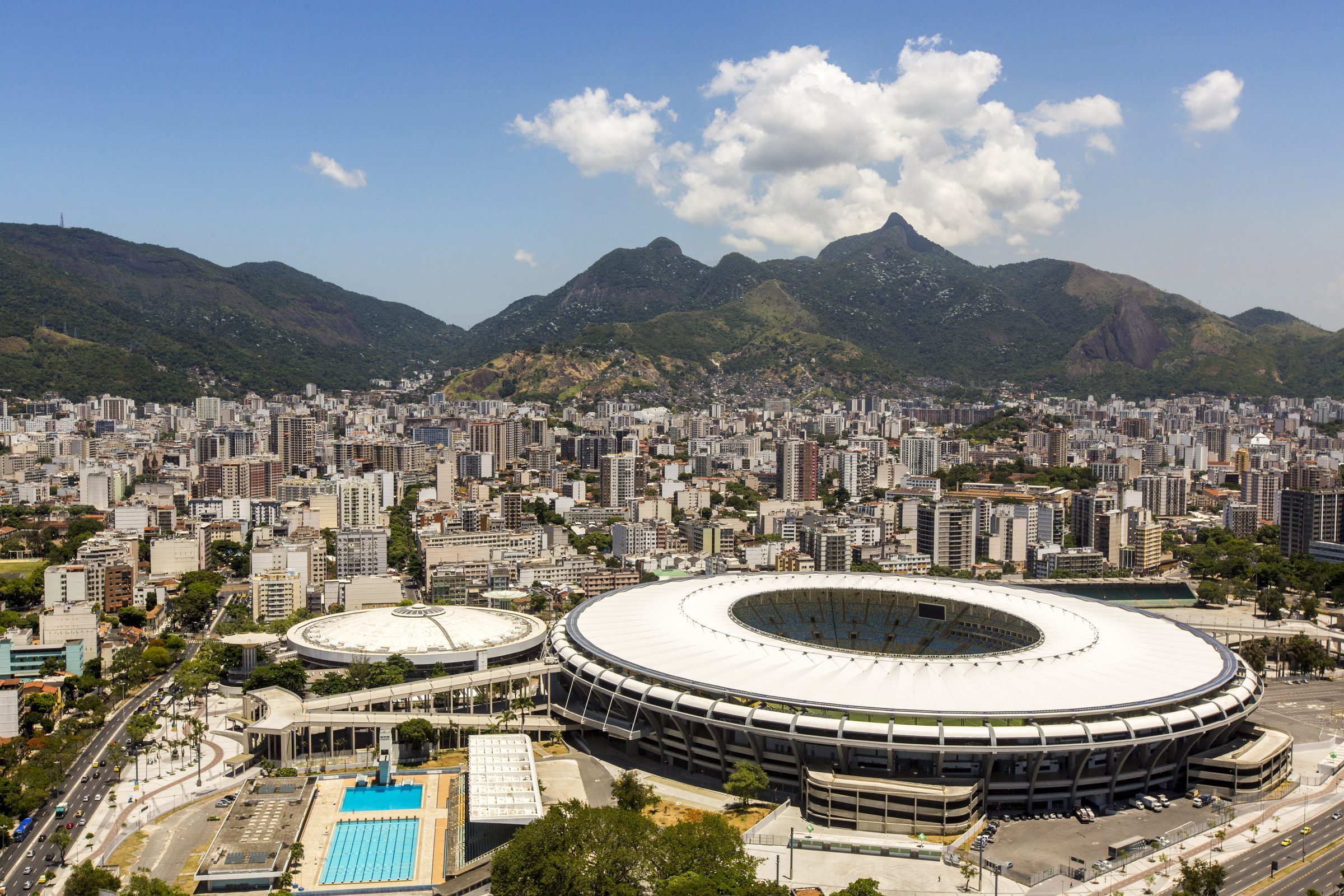
The Maracanã. The cathedral of Brazilian football, built for the 1950 World Cup, rebuilt for the 2014 edition, and the largest stadium in South America at 78,000 seats. Two local rivalries fill it: Flamengo (the popular club, red and black) against Fluminense (the patrician club, green and maroon); Flamengo against Vasco da Gama (the Portuguese-immigrant club, white with a black diagonal sash); Flamengo against Botafogo (neighbourhood rivals, the lone-star jersey). Any Flamengo home match is an event; a Fla-Flu — Flamengo versus Fluminense — is a pilgrimage. Tickets via ingresso.com or through the concierge; sit in the Cadeiras Especiais section (middle tier, behind the home-team goal) for the singing, and wear neutral colours unless you have chosen a side.
Rio Scenarium. The grandmother of the Lapa samba-and-choro venues — three floors of antiques and live music on Rua do Lavradio. The dance floor is on the ground floor; the second floor has small tables with a view of the stage; the third floor is for couples who have given up on dancing and taken to watching. Arrive at 10.30; the band starts at 11; you will not leave before 2 a.m. Arrive hungry — the kitchen runs late — and in something you can sweat through. Rio Scenarium is touristy in the sense that tourists go; it is also one of the genuinely best samba rooms in the city.
Pedra do Sal, Monday night. A small square in the Saúde neighbourhood — the edge of the old harbour, the neighbourhood where the samba in Rio was, historically, invented — hosts a free, open-air, every-Monday roda de samba from around 8 p.m. until well past midnight. The music is impeccable — rotating lineups of some of the city's best percussionists; the crowd is half carioca, half knowing tourists; the beer is sold from coolers, the food from a handful of carts. Cash only. Uber in and out; the neighbourhood is not one to walk after the set ends.
Carioca da Gema. Another Lapa institution, smaller and more intimate than Rio Scenarium, and the room I prefer if the party is four or fewer. Seated tables for dinner (serve a respectable feijoada); a live band from 10 p.m.; no dance floor as such but plenty of space to move.
III. A museum afternoon
Rio has four museums I send visitors to. Any one of them fills a good three-hour afternoon between lunch and the carioca hour.
Museu do Amanhã. The "Museum of Tomorrow" on the old harbour front, designed by Santiago Calatrava, opened in 2015 for the Olympics. A science-and-future museum built around a single narrative arc: past, present, future, of humans and the planet. The building itself — a low white concrete spine stretched along the Praça Mauá, with a reflecting pool running its length — is the trip's architectural highlight. Pair with the adjacent Museu de Arte do Rio (MAR) for a full afternoon on the waterfront.
Instituto Moreira Salles. An art foundation on a residential street in Gávea, set in the former private home of the banker Walther Moreira Salles — a modernist low-slung house with gardens by Roberto Burle Marx. The IMS holds the country's best photography collection, rotating exhibitions of Brazilian photographers, and a small café and bookshop that are themselves worth the trip. The garden is, very quietly, one of the three great gardens in Rio.
Museu Nacional de Belas Artes. The national fine arts museum in Centro — strong on nineteenth-century Brazilian landscape painting and a surprising pocket of French academic work purchased during the empire. An eighteenth-century palace, restored well, never crowded. Two hours.
Parque Lage. Not strictly a museum but an art school with galleries and a cafe, open to the public — the mansion at the foot of Corcovado, with the central pool courtyard that every photographer books around. Free admission; the café on the ground floor does a good brunch on Sundays; the galleries upstairs rotate student and visiting shows. A half-day that pairs with a lunch in Jardim Botânico.
“The useful question is not what should I see. The useful question is how should I spend Thursday.”
IV. Hikes and the forest
The city has a rainforest inside it — the Parque Nacional da Tijuca, 39.5 square kilometres of reforested Atlantic rainforest running from the Corcovado peak in the east to the Pedra da Gávea in the west. It is the largest urban rainforest in the world and the only national park inside a major metropolis. Three hikes inside it are worth the shoes.
The Pico da Tijuca is the park's highest point at 1,022 metres — a two-hour round trip from the trailhead at the Bom Retiro picnic area, with a short rope-assisted final section and a 360-degree view from the summit platform. Go early, and bring a guide for the drive to the trailhead — the access road is a series of switchbacks that the city's taxi drivers do not always know.
The Dois Irmãos hike, in the Zona Sul, climbs to the flatter of the two peaks that close the Ipanema beach from the west. The trailhead is inside the Vidigal community on the Avenida João Goulart. An hour up, an hour back, and the best direct view of Ipanema in the city. Note: Vidigal is a community the municipality considers "pacified" but not "safe" in the conventional sense; go with a guide, go mid-morning, and coordinate through a registered company (Vidigal Adventures is the established one).
The Vista Chinesa. A classical pavilion — the Chinese Vista — built in the 1903 redesign of the Tijuca park, on a ridge that looks directly down on the Lagoa, Ipanema, and Dois Irmãos. A ten-minute walk from the car park, not a hike as such. The most underrated outlook in Rio. Drive there at sunset; very few visitors find it.
V. Markets, and a long walk
The Feira Hippie de Ipanema, every Sunday at the Praça General Osório, is the city's Sunday morning market — art, leather, textiles, food stands serving tapioca and acarajé, street musicians, and a circumference of cafés packed with the locals who have walked down from Leblon. Go at ten; stay for the tapioca; finish at a restaurant on Rua Vinícius de Moraes.
The Feira de São Cristóvão. A permanent covered market in Zona Norte devoted to the food and music of the country's Nordeste — northeastern Brazil. Open Friday through Sunday, the feira is a thousand stalls of regional food (carne de sol, baião de dois, acarajé), live forró music in the evenings, and a crowd of homesick northeasterners making a weekend night of it. An authentic, loud, entirely non-touristic Rio experience. Uber there and back.
The Lagoa loop. The lagoon between Ipanema and Jardim Botânico — Lagoa Rodrigo de Freitas — has a 7.2-kilometre walking and running track around its perimeter. A favourite of cariocas at dawn and dusk. Walk it; run it; cycle it on a hired bike from one of the stations along the route. Stop at the quiosque at the Parque dos Patins, on the south side, for a passionfruit caipirinha at four.
VI. A water day
Rio is defined by Guanabara Bay, and a visitor who spends a week here without crossing the water has missed half the city.
A yacht day in the bay. A chartered sailing boat from the Marina da Glória — half-day or full-day — runs out through the bay to the bathing coves of the Ilha de Cotunduba and Ilha de Paquetá, with lunch aboard or a beach stop at Praia de Adão e Eva on the Niterói side. Several houses charter. Our concierge books through a small family-run operator with a well-kept 42-foot Beneteau; ask.
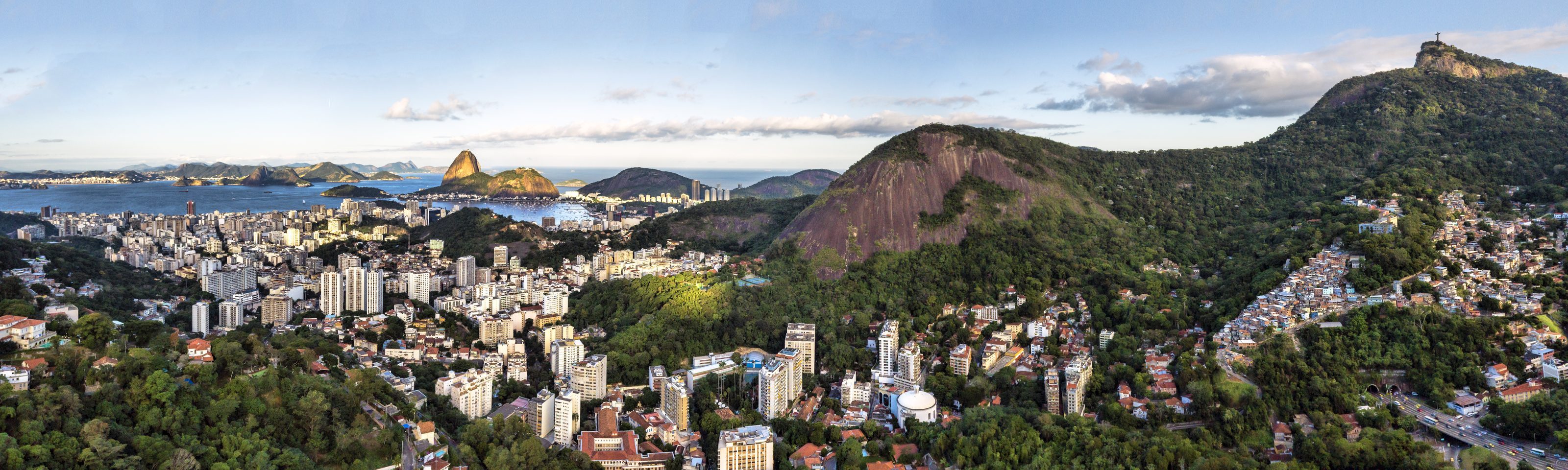
The Niterói ferry. The twenty-minute passenger ferry from the Praça XV in Centro to the Praça Araribóia in Niterói costs the price of a cup of coffee. The return view — the whole of Rio from the Niterói side, the Sugarloaf framing the left of the image, the old harbour in the middle, the Corcovado summit a dot above — is the best single skyline shot of the city. Go; sit on the top deck; come back; have lunch at the Niemeyer- designed MAC museum on the return side.
Kayak at Urca. The bay around the base of the Sugarloaf is a protected swimming-and-paddling zone. A two-hour kayak rental from the Praia Vermelha — early morning, before the wind picks up — is a delightful hour of paddling underneath the two mountains with the cable-car line above you. Not dangerous; a beginner's paddle. Available through the yacht club or via a private instructor; ask.
VII. The two big events
Two dates on the Rio calendar are not "things to do" in the daily sense. They are the civic weather systems that the rest of the city's year is arranged around.
Carnival (five days before Ash Wednesday, usually February or early March) is the country's, not just the city's, defining festival. In Rio, it consists of two distinct events: the desfile at the Sambódromo, where the twelve top-division samba schools parade across two nights of competition, and the blocos — the street parties, hundreds of them, filling the neighbourhoods of Zona Sul and Centro from dawn until night. A Sambódromo ticket (sectors 9, 10, 11 for the best views) is booked a year in advance; blocos are free and require no planning, only a tolerance for crowds, the sun, and a very, very long day.
Réveillon — New Year's Eve on Copacabana — is the largest New Year's celebration in the Americas. Two million people on the beach; a 15-to-20-minute fireworks display fired from barges offshore; a tradition of wearing white and jumping seven waves at midnight for seven wishes. Hotels on the beachfront book a year out and charge accordingly. If you can be in Rio on 31 December, be in Rio on 31 December — it is, unambiguously, the best night of the year in the city.
A list of things to do in a great city will always be wrong by omission. This one will be, too. What it gets right, I hope, is the grain of the city — that its best experiences are outside and unhurried, that its museums are good but not the point, that its nights start late and end later, and that any week-long itinerary should build outwards from a summit, a beach, and a samba house, in that order.